2026-06-11 Stainless steel pipes are vital for safely transporting fluids across industries like oil and gas, food processing, and chemical manufacturing. However, not all pipes are identical. Proper selection is essential to ensure system performance, safety, and long-term reliability. Key factors in choosing
Read More 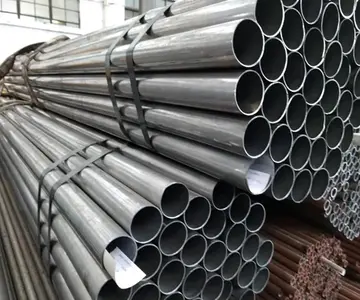
2026-06-10 ASTM A500 and ASTM A513 are both Electric Resistance Welded (ERW) steel pipes, but they serve distinct purposes. A500 is a structural tubing standard designed for load-bearing applications like buildings and bridges, emphasizing mechanical strength and weldability. Conversely, A513 is a mechanical t
Read More 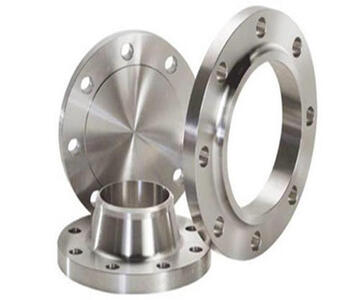
2026-06-09 Flange sealing performance is critical for the safety and reliability of piping systems in oil, gas, chemical, and industrial applications. A well-designed flange joint prevents hazardous fluid leakage, pressure loss, and equipment damage. However, sealing relies on multiple interconnected factors,
Read More 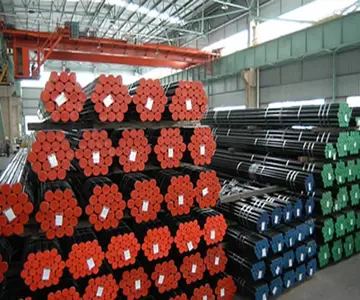
2026-06-08 Steel pipes are vital to the oil and gas industry, with API 5L and API 5CT serving as two of the most critical standards. Although the American Petroleum Institute develops both, they serve fundamentally different purposes. Understanding this distinction is essential for ensuring project safety, reg
Read More 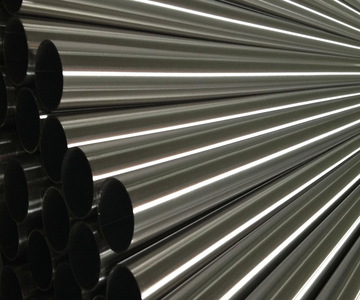
2026-06-05 316 stainless steel offers excellent corrosion resistance but has limitations. It can still corrode in extreme chloride or high-temperature environments, where duplex steels or nickel alloys may perform better. Additionally, its high nickel and molybdenum content increases costs; for less demanding
Read More 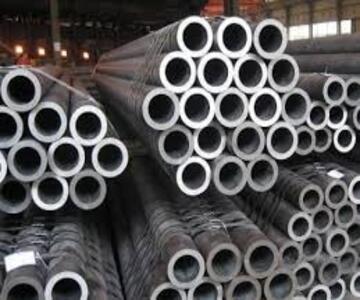
2026-06-04 ASTM A53 seamless pipes are widely used in mechanical and industrial applications. Grade A and Grade B differ mainly in strength: Grade B offers higher yield and tensile strength, making it suitable for high-pressure or heavy-load conditions, while Grade A is ideal for moderate-duty uses due to its
Read More 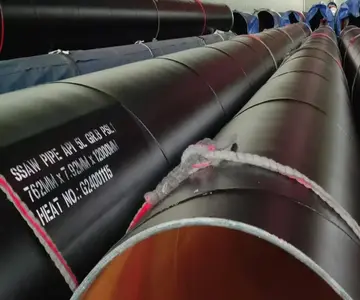
2026-06-03 API 5L is the global standard for steel line pipes in the oil, gas, and energy industries. Among its specifications, grades X42, X52, X60, and X70 are the most widely used. The number following the "X" indicates the minimum yield strength in thousands of psi (e.g., X70 withstands 70,000 psi). As the
Read More 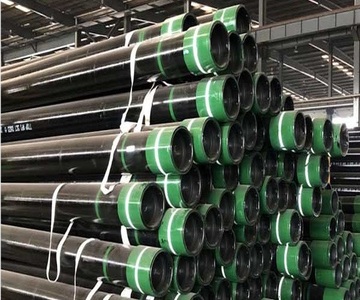
2026-06-02 In deep well drilling, the reliability of threaded connections is just as critical as the quality of the steel pipe itself. These connections must withstand extreme downhole conditions, including immense tensile strength, high pressure, and complex bending loads. As wells extend deeper into harsh en
Read More