Tel: +86-0731-88672086 E-mail: info@great-pipe.com
- All
- Product Name
- Product Keyword
- Product Model
- Product Summary
- Product Description
- Multi Field Search

Views: 3 Author: Site Editor Publish Time: 2026-06-09 Origin: Site
Flange sealing performance is critical for the safety and reliability of piping systems in oil, gas, chemical, and industrial applications. A well-designed flange joint prevents hazardous fluid leakage, pressure loss, and equipment damage. However, sealing relies on multiple interconnected factors, including proper gasket selection, accurate bolt preload, and precise surface quality.
Sealing is not just about initial installation; it requires long-term stability. Over time, thermal cycling, mechanical vibration, and bolt load relaxation can gradually degrade seal effectiveness, making regular maintenance essential. Mismanaging these variables can lead to severe operational risks and costly downtime.
By focusing on correct assembly, material compatibility, and routine inspections, companies can prevent leaks, enhance system integrity, and ensure safe, efficient industrial operations.
How Flange Sealing Works
Steel flange sealing is a fundamental concept in industrial piping, relying on the precise interaction between flanges, gaskets, and bolts rather than the flange alone. A reliable seal is achieved through controlled gasket compression. When bolts are tightened, they generate an axial force that deforms the gasket, filling microscopic surface imperfections to create a pressure-tight barrier against leakage.
Maintaining this seal requires a careful balance. Insufficient bolt preload fails to adequately compress the gasket, causing leaks, while excessive force can crush the gasket. Various flange types, such as weld neck and slip-on, are manufactured to strict international standards (e.g., ASME B16.5) to ensure dimensional compatibility and safety across a range of pressure and temperature applications.
Crucially, flange sealing is not static; it is a dynamic system sensitive to multiple variables. Factors like gasket material, surface finish, tightening methods, vibration, and thermal cycling continuously affect performance. Understanding this mechanism is essential for engineers and technicians. By selecting proper materials, applying correct installation techniques, and conducting regular maintenance, companies can maintain this delicate balance and ensure long-term reliability in demanding industrial environments.
Main Factors Affecting Flange Sealing Performance
Key Factor | Impact on Flange Sealing Performance |
Gasket Material Selection | Must offer appropriate temperature/pressure resistance and chemical compatibility to prevent swelling, hardening, or permanent deformation. |
Flange Surface Finish & Accuracy | Requires optimal roughness, flatness, and cleanliness; scratches or warping cause uneven compression and create leakage paths. |
Bolt Tightening Force & Installation | Proper preload and cross-pattern tightening ensure uniform gasket compression; under/over-tightening leads to extrusion or insufficient sealing. |
Operating Temperature & Pressure | Thermal cycling reduces bolt preload over time, while pressure fluctuations dynamically challenge gasket stability and elasticity. |
Pipe Alignment & External Loads | Misalignment, vibration, and mechanical loads introduce uneven stresses that disrupt the seal and can distort flanges or loosen bolts. |
Common Causes of Flange Leakage and How to Avoid Them
Common Cause of Leakage | Prevention Strategy & Best Practices |
Incorrect Gasket Selection | Select gaskets that match specific operating temperatures, pressures, and chemical media to prevent hardening, softening, or degradation. |
Improper Bolt Tightening | Apply precise preload using calibrated tools and proper torque sequences; avoid under-tightening (insufficient compression) and over-tightening (gasket crushing). |
Damaged Sealing Surfaces | Inspect flange faces before installation for scratches, dents, or corrosion pits, and handle materials carefully during transport to ensure uniform sealing. |
Excessive System Stress & Vibration | Account for thermal expansion, pipe misalignment, and external loads during design by utilizing adequate supports and expansion joints to maintain joint integrity. |
How to Improve Flange Sealing Reliability in Industrial Projects
Improving flange sealing reliability in industrial projects requires a systematic approach covering design, installation, and maintenance.
First, selecting the correct flange and gasket combination is crucial. Components must be matched to specific operating pressures, temperatures, and chemical media (e.g., using graphite for high heat or weld neck flanges for high pressure) to withstand operational stresses.
Second, proper installation procedures are essential. Flange faces must be clean and free of debris before assembly. Bolts should be tightened using calibrated tools in a cross-pattern sequence to ensure even gasket compression. Additionally, forcing misaligned pipes together must be strictly avoided to prevent internal stress.
Third, controlling operating conditions extends service life. System designs should incorporate expansion joints or flexible supports to absorb thermal movement and minimize vibration from rotating equipment, preventing premature seal degradation.
Finally, regular inspection and maintenance are necessary. Periodic torque checks are recommended as bolt tension can relax over time due to thermal cycling. Routine inspections also help detect early signs of corrosion or wear, allowing for timely replacement before leaks occur. By consistently applying these practices, operators can significantly reduce downtime, enhance safety, and ensure long-term system integrity.
Our Recommended Flange Products and Global Shipping Services
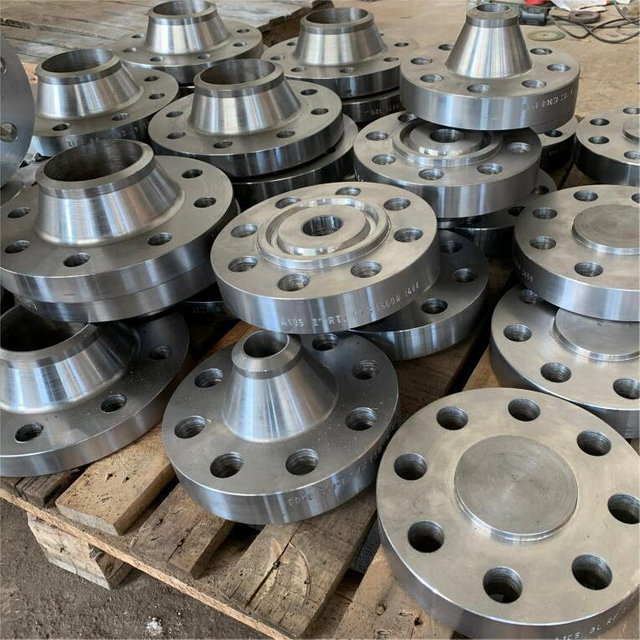
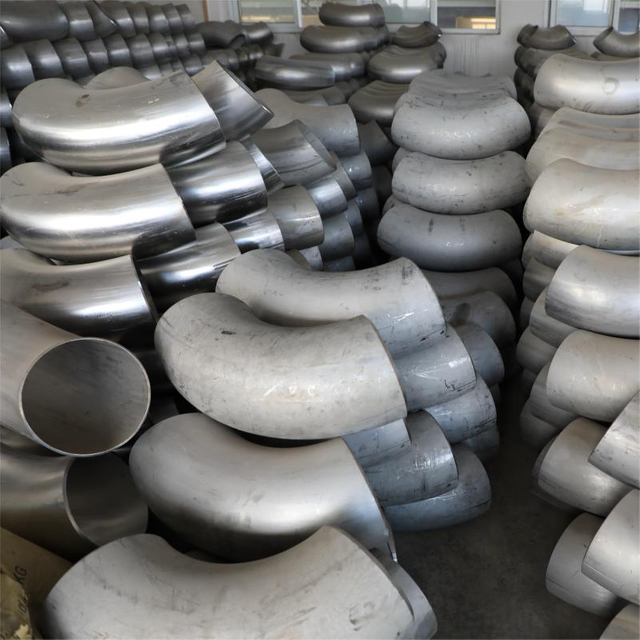
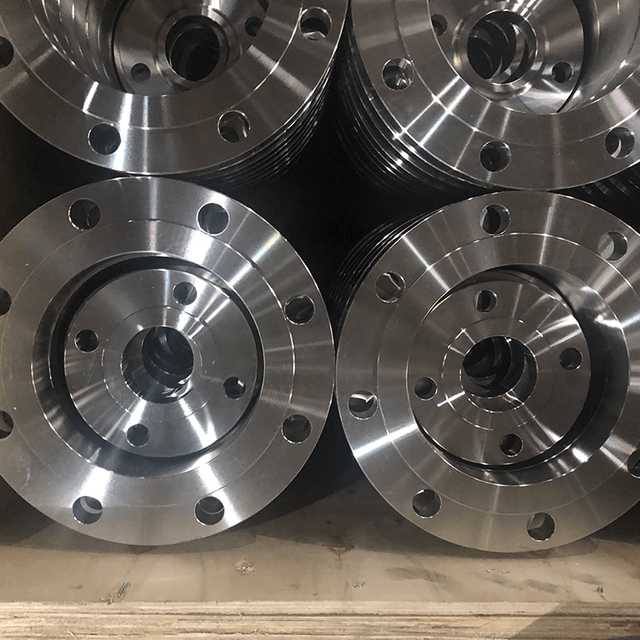
We supply premium flanges—including Weld Neck, Slip-On, Blind, Socket Weld, and Threaded types—in Carbon Steel, Stainless Steel, and Alloy Steel. Manufactured to ASME, EN, and DIN standards, our products ensure high precision and reliable sealing for demanding industrial piping systems.
Quality is guaranteed through rigorous dimensional and material inspections, with optional third-party testing (SGS, BV, TÜV) and full Mill Test Certificates (MTC). To prevent transit damage, all flanges feature anti-rust coatings, protective face covers, and seaworthy export packaging.
Our global logistics services support FCL, LCL, bulk cargo, and air freight, alongside complete export documentation and EPC project coordination. By combining top-tier manufacturing, strict quality control, and efficient international shipping, we provide comprehensive solutions to help customers achieve safe, leak-free pipeline operations worldwide.
Conclusion
Flange sealing performance is critical for the safety and efficiency of industrial piping systems. Rather than relying on a single element, reliable sealing requires the seamless integration of proper gasket selection, flange surface quality, accurate bolt tightening, and controlled operating conditions.
Many leakage issues stem from improper installation or inadequate maintenance rather than product failure. Factors like temperature fluctuations and vibration can gradually degrade seals, making regular inspections and preventive maintenance essential.
By applying engineering best practices and utilizing high-quality flange products, companies can prevent leaks, reduce costly downtime, and extend equipment service life. Ultimately, this comprehensive approach is vital for maintaining safe, stable, and efficient operations in demanding industrial environments.
FAQ:
(1) What is the most common cause of flange leakage?
Improper gasket selection and incorrect bolt tightening are among the most common causes.
(2) How does bolt torque affect flange sealing?
Proper bolt torque creates the gasket compression needed to maintain a leak-free seal.
(3) Can a damaged flange face cause leakage?
Yes, scratches, corrosion, or uneven surfaces can prevent the gasket from sealing properly.
(4) How often should flange joints be inspected?
Inspection frequency depends on operating conditions, but regular maintenance is recommended for critical systems.