Tel: +86-0731-88672086 E-mail: info@great-pipe.com
- All
- Product Name
- Product Keyword
- Product Model
- Product Summary
- Product Description
- Multi Field Search

Views: 16 Author: Site Editor Publish Time: 2026-07-15 Origin: Site
Boiler tubes are core components of industrial boilers and power generation systems, responsible for efficiently transferring heat under high temperature and pressure conditions, converting water into steam or increasing steam temperature. Their material and design directly affect the safety and operational efficiency of the entire boiler.
Boiler tubes are widely used in thermal power, petrochemical, steel, papermaking, food processing, and biomass energy industries, playing a crucial role in maintaining stable heat exchange, reducing energy consumption, and extending equipment lifespan. Main types include: water-tube boiler tubes, suitable for high-pressure scenarios, offering high heat exchange efficiency and large steam production; fire-tube boiler tubes, with simple structure and convenient maintenance, commonly used in medium and low-pressure systems; and specialized tube types such as superheater tubes, economizer tubes, and reheater tubes, which respectively perform functions such as increasing steam temperature, recovering waste heat, and enhancing thermal efficiency.
With the increasing demand for energy conservation and emission reduction, the market for high-performance boiler tubes continues to expand. Modern manufacturing processes and advanced materials significantly enhance the high-temperature resistance, corrosion resistance, and durability of tube materials, helping to reduce fuel consumption, lower emissions, and improve operational stability.
Different Types of Boiler Tubes
Boiler tubes are classified by function to meet varying demands of pressure, temperature, and heat transfer. Selecting the correct type improves thermal efficiency, operational safety, and equipment lifespan. Below is a concise breakdown of common boiler tube types and their primary applications.
Boiler Tube Type | Working Principle | Key Applications & Benefits |
|---|---|---|
Water Tubes | Water flows inside the tubes while hot combustion gases flow around them. | Ideal for high-pressure, high-temperature operations in thermal power plants and large industrial facilities due to rapid heat transfer and high steam production. |
Fire Tubes | Hot gases flow through the tubes while water surrounds them. | Suitable for low- to medium-pressure systems with moderate steam demand, such as commercial buildings and small manufacturing, offering simple structure and low maintenance. |
Superheater Tubes | Heats saturated steam beyond its boiling point to create superheated steam. | Improves thermal efficiency and turbine performance. Manufactured from heat-resistant alloy steels to withstand extreme conditions. |
Economizer Tubes | Recovers residual heat from exhaust gases to preheat feedwater. | Significantly reduces fuel consumption and operating costs while lowering emissions in power plants and industrial boilers. |
Reheater Tubes | Reheats steam after it expands through the high-pressure turbine. | Used in large thermal power plants to improve power generation efficiency, reduce steam moisture, and protect turbine components from wear. |
When choosing boiler tubes, consider operating pressure, temperature, fuel characteristics, corrosion resistance, and maintenance access. Tubes that meet international quality standards (e.g., ASTM, ASME) ensure greater reliability and longer service life.
The Role of Boiler Tubes in Energy Systems
Boiler tubes are essential to the efficient operation of energy systems. Their primary function is to transfer heat from combustion gases to water or steam, enabling boilers to generate the thermal energy required for electricity production and industrial processes. The quality, material, and design of boiler tubes directly influence boiler performance, fuel efficiency, and equipment reliability.
Role | Description | Key Benefits |
|---|---|---|
Improving Thermal Efficiency | Maximize heat exchange from flue gas to working fluid; superheater and economizer tubes further boost performance | Less fuel per steam unit, reduced energy waste, higher overall system efficiency |
Supporting Diverse Applications | Used in thermal power, biomass, waste-to-energy, and combined heat & power (CHP) systems | Adaptable to varying fuels and operating conditions, enabling flexible energy production |
Enhancing Safety & Reliability | Engineered to resist high pressure, extreme temperatures, corrosion, and thermal fatigue | Prevents tube failures, reduces unplanned shutdowns, protects personnel and equipment |
Lowering Operating & Maintenance Costs | Durable materials extend tube life and reduce replacement frequency; less downtime for repairs | Lower long-term costs, consistent production output, improved return on investment |
Supporting Sustainability Goals | Advanced alloys enable higher fuel efficiency and better heat recovery; reduce carbon footprint | Cleaner operations, compliance with emission regulations, alignment with net-zero targets |
In today's energy sector, selecting the right boiler tubes is a strategic investment in efficiency, reliability, and sustainability. Whether used in conventional power plants or renewable energy facilities, high-quality boiler tubes help maximize system performance, reduce operating costs, and ensure long-term, dependable operation.
How to Choose the Right Boiler Tubes
Selecting the right boiler tubes is essential for achieving safe, efficient, and reliable boiler operation. Because different industries operate under varying temperatures, pressures, and environmental conditions, evaluating several key factors before making a selection helps improve performance, reduce maintenance costs, and extend equipment service life.
Selection Factor | Key Considerations and Recommendations |
|---|---|
Operating Temperature & Pressure | High-pressure/temperature boilers require alloy steel tubes for excellent mechanical strength and heat resistance. Lower-pressure systems can utilize cost-effective carbon steel tubes. |
Material Selection | Carbon steel: General industrial applications. |
Corrosion & Wear Resistance | Choose materials with enhanced resistance to steam, water, combustion gases, ash, and sulfur compounds to prevent premature failure and extend lifespan. |
Industry Standards Compliance | Ensure tubes are manufactured to recognized standards (ASTM, ASME, EN) and undergo rigorous testing (hydrostatic, ultrasonic, chemical) for consistent properties and reliable performance. |
Size & Application | Select the correct diameter, wall thickness, and length for efficient heat transfer. Match the tube type to specific boiler components (water walls, superheaters, economizers, reheaters). |
Supplier Experience & Support | Partner with experienced manufacturers who offer customized sizes, strict quality control, and technical support to ensure products meet specific project specifications. |
Our Boiler Tube Solutions & Worldwide Shipping
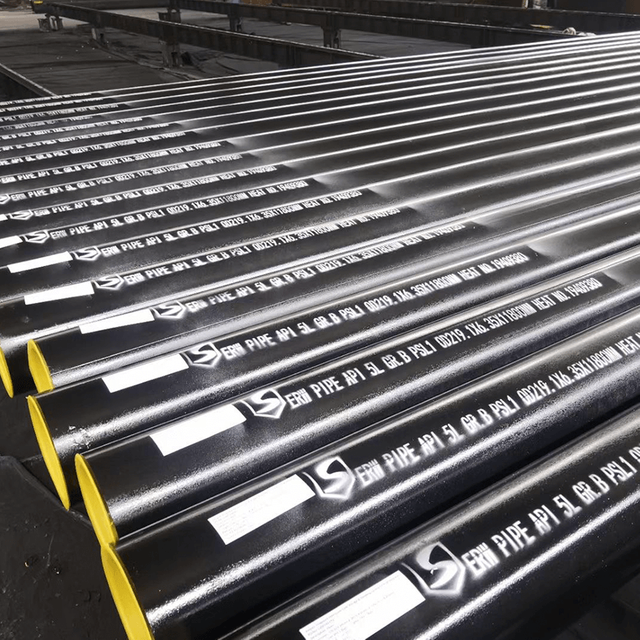
We supply high-quality boiler tubes for power generation, petrochemical, oil & gas, and industrial applications. Our products are manufactured to international standards (ASTM, ASME, EN) and undergo rigorous quality control—including dimensional checks, mechanical testing, chemical analysis, and non-destructive inspection—to ensure reliable performance under high-temperature and high-pressure conditions.
Product Range
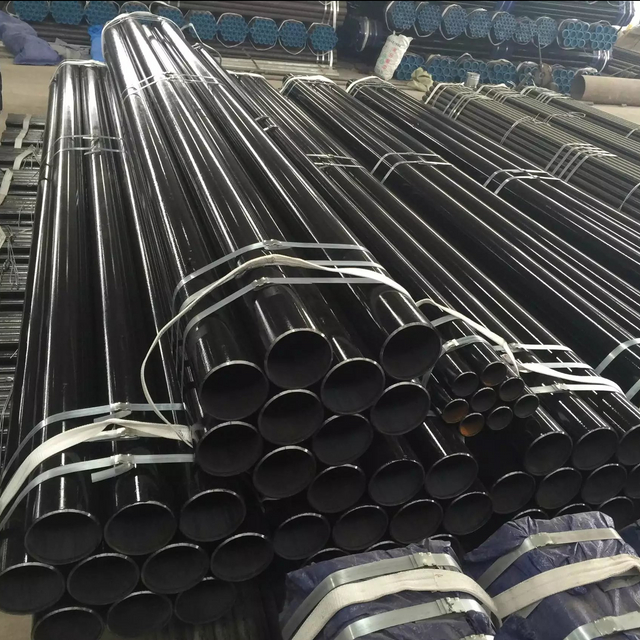
We offer carbon steel tubes for general use, alloy steel tubes for high-pressure systems, and seamless tubes for enhanced strength. Specialized options include superheater, economizer, and reheater tubes. Custom sizes, material grades, and surface treatments are available to meet specific project requirements.
Global Shipping
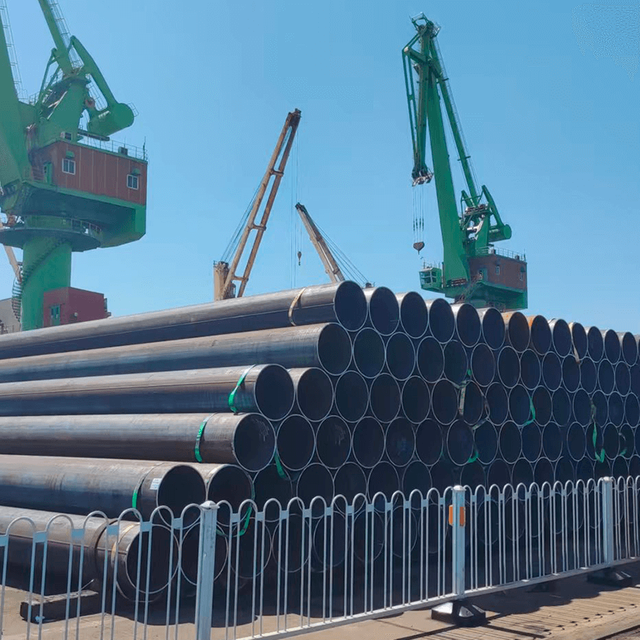
Through an efficient logistics network, we deliver worldwide via sea, air, or express freight. All products are securely packed to prevent transit damage, and we provide complete export documentation to ensure smooth customs clearance and timely delivery.
Why Choose Us
Strict quality assurance and full traceability
Custom manufacturing for unique specifications
Experienced technical support and responsive service
Reliable global shipping with on-time delivery
We are committed to being more than a supplier—we aim to be a long-term partner. Whether for a single replacement or bulk industrial orders, our team delivers dependable boiler tube solutions and professional support to customers around the world.
Conclusion
Boiler tubes are essential for heat transfer, steam generation, and overall efficiency in power plants, petrochemical facilities, and industrial systems. Selecting the right type—whether water tube, fire tube, superheater, economizer, or reheater—directly impacts performance and reliability.
Key considerations include operating temperature, pressure, corrosion resistance, and compliance with international standards (ASTM, ASME). High-quality tubes reduce maintenance costs, prevent unplanned downtime, and extend equipment life.
Partnering with an experienced supplier adds value through technical support, custom solutions, and strict quality control. As industries push for greater efficiency and lower emissions, advanced boiler tubes play an increasingly vital role in sustainable energy production.
FAQ:
Q1: What are the main types of boiler tubes?
The primary types include water tube boiler tubes, fire tube boiler tubes, superheater tubes, economizer tubes, and reheater tubes. Each type serves a specific function in improving heat transfer and boiler efficiency.
Q2: Which material is best for high-pressure boiler tubes?
High-pressure applications typically use alloy steel or high-grade seamless steel tubes because they offer superior strength, heat resistance, and corrosion resistance under demanding operating conditions.
Q3: How do boiler tubes improve energy efficiency?
Boiler tubes maximize heat transfer between combustion gases and water or steam, reducing fuel consumption, increasing thermal efficiency, and lowering operating costs.
Q4: What should be considered when selecting boiler tubes?
Key factors include operating pressure, temperature, corrosion resistance, material grade, applicable industry standards, and the specific requirements of the boiler system.