Tel: +86-0731-88672086 E-mail: info@great-pipe.com
- All
- Product Name
- Product Keyword
- Product Model
- Product Summary
- Product Description
- Multi Field Search

Views: 2 Author: Site Editor Publish Time: 2026-06-04 Origin: Site
ASTM A53 seamless pipes are widely used in mechanical and industrial applications. Grade A and Grade B differ mainly in strength: Grade B offers higher yield and tensile strength, making it suitable for high-pressure or heavy-load conditions, while Grade A is ideal for moderate-duty uses due to its excellent weldability and formability. Selecting the correct grade ensures optimal performance, durability, and cost-efficiency. Understanding these differences helps engineers and buyers make informed decisions for reliable mechanical systems.
ASTM A53 Seamless Steel Pipe
ASTM A53 is a premier standard for carbon steel pipes in industrial, mechanical, and structural applications. ASTM A53 seamless steel pipe, manufactured from solid billets without welded seams, offers uniform structure and superior reliability. This seamless construction ensures consistent performance under pressure, vibration, and fluctuating loads, making it ideal for demanding environments like machinery systems, compressed air lines, and process piping.
Available in Grade A and Grade B, the standard allows buyers to balance strength requirements with cost-efficiency. Additionally, ASTM A53 seamless pipes feature excellent weldability and machinability, allowing them to be easily cut, threaded, and fabricated into custom components.
Common applications include equipment supports, structural frames, and industrial water networks. By combining structural integrity, manufacturing consistency, and versatile fabrication options, ASTM A53 seamless steel pipe remains a practical, cost-effective solution for diverse mechanical services. Understanding these foundational characteristics is essential for selecting the optimal grade for specific project needs.
ASTM A53 Grade A: Characteristics and Applications
ASTM A53 Grade A is a carbon steel pipe designed for general mechanical, structural, and low-pressure service applications. Offering a practical balance of performance and cost, it provides moderate strength suitable for environments without extreme pressure or heavy loads.
A primary advantage of Grade A is its excellent weldability and formability. The material is easily cut, bent, and machined, which simplifies fabrication processes and reduces labor costs. This versatility makes it highly favored in manufacturing facilities for custom assemblies.
Typical applications include machinery components, equipment supports, water distribution lines, compressed air systems, and light structural frameworks. While not recommended for high-stress or high-pressure environments that require Grade B, ASTM A53 Grade A delivers reliable durability. For projects prioritizing cost-efficiency and ease of fabrication under moderate conditions, it remains an effective and economical choice.
ASTM A53 Grade B: Characteristics and Applications
ASTM A53 Grade B is the most widely used carbon steel pipe grade for seamless and welded applications, offering superior strength and durability. Its higher minimum yield and tensile strengths provide a larger safety margin, making it ideal for demanding environments involving high pressure, heavy loads, or continuous operation.
Despite its enhanced performance, Grade B retains excellent weldability and machinability, allowing for easy fabrication using standard industrial processes. Typical applications include machinery frames, process piping, compressed air systems, utility pipelines, and structural supports.
While slightly more expensive than Grade A, the additional investment is justified by greater load capacity and long-term reliability. For projects requiring robust mechanical performance and operational flexibility, ASTM A53 Grade B remains the preferred industry standard.
ASTM A53 Grade A vs. Grade B: Technical Comparison
Comparison Factor | ASTM A53 Grade A | ASTM A53 Grade B |
Mechanical Strength | Lower yield and tensile strength; suitable for moderate stress and pressure. | Higher yield and tensile strength; withstands greater mechanical stress, providing a larger safety margin. |
Fabrication & Formability | Excellent weldability and machinability; slightly easier to form, bend, and fabricate due to lower strength. | Good weldability and machinability using standard industrial processes, though slightly less pliable than Grade A. |
Cost Efficiency | More economical; ideal for projects with limited budgets where maximum strength is not required. | Slightly higher material cost, but the investment is justified by enhanced performance and longer service life. |
Typical Applications | General engineering, low-pressure mechanical systems, light structural supports, and equipment frameworks. | Heavy machinery, high-pressure industrial piping, structural supports, manufacturing facilities, and heavy-load applications. |
Operational Flexibility | Best suited for current, well-defined moderate operating conditions without significant future load increases. | Highly versatile; often selected to accommodate future modifications, increased loads, or changing service requirements. |
How to Choose the Right ASTM A53 Seamless Pipe
Selection Factor | Grade A Recommendation | Grade B Recommendation |
Operating Pressure | Suitable for low-pressure systems. | Preferred for high-pressure applications. |
Load Requirements | Adequate for moderate/light loads. | Ideal for heavy loads and fatigue resistance. |
Fabrication Needs | Easier to form, bend, and process. | Standard welding/machining capabilities. |
Project Environment | General engineering & mild conditions. | Demanding industrial & continuous use. |
Budget & Value | Lower initial cost; economical. | Higher upfront cost; better long-term value. |
Future Flexibility | Fits stable, current operating needs. | Provides extra capacity for future upgrades. |
Our Recommended ASTM A53 Seamless Pipe Products and Global Shipping Services
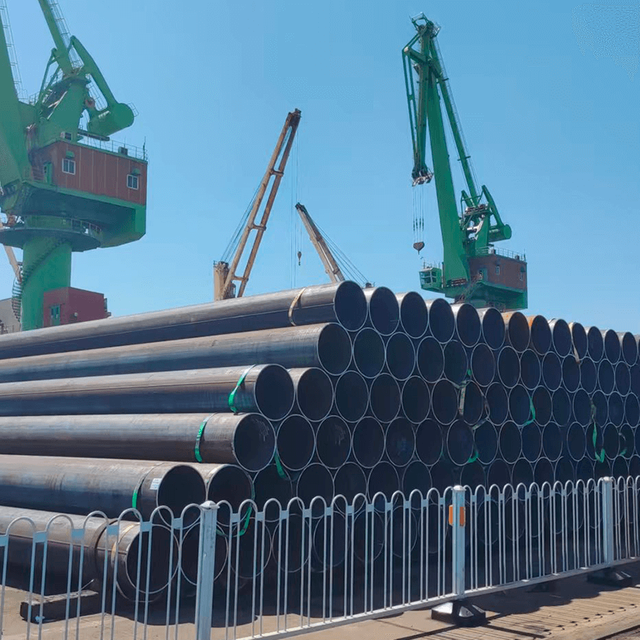
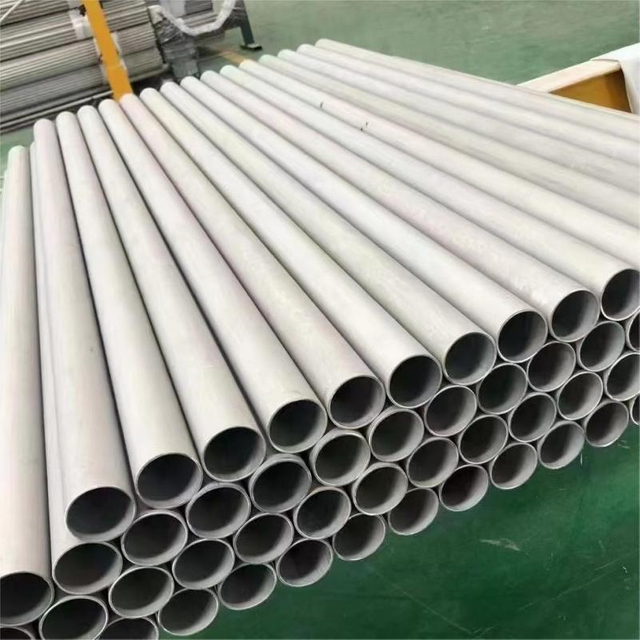
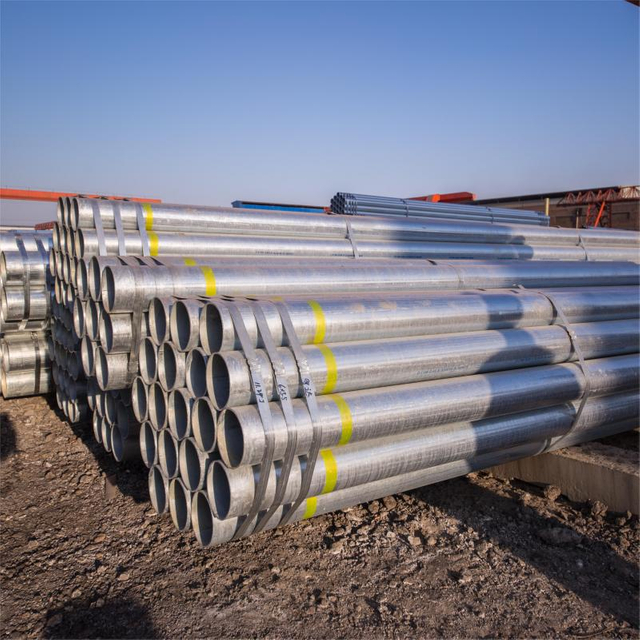
We offer a comprehensive range of high-quality ASTM A53 Grade A and Grade B seamless steel pipes in various sizes, including black and galvanized options. All products strictly adhere to ASTM standards and undergo rigorous quality testing to ensure safe and reliable performance.
To streamline your project execution, we provide value-added processing services such as cut-to-length, beveling, threading, and custom packaging. For added assurance, third-party inspections (SGS, BV, TUV) and Mill Test Certificates (MTCs) are fully supported.
Our global shipping capabilities cater to international construction, energy, and EPC projects. We provide export-standard packaging and comprehensive logistics support, handling customs documentation and coordinating container or bulk cargo shipments. By combining premium products, strict quality control, customized processing, and efficient worldwide delivery, we deliver dependable ASTM A53 seamless pipe solutions at competitive prices with guaranteed on-time arrival.
Conclusion
ASTM A53 seamless steel pipe is a versatile and reliable solution for mechanical, industrial, and structural applications. Choosing the correct grade is essential for project success. Grade A offers excellent weldability and cost-efficiency, making it ideal for moderate-duty, low-pressure systems. In contrast, Grade B provides superior yield and tensile strength, delivering enhanced durability and safety for demanding environments with high pressure or heavy loads.
Ultimately, material selection should be based on specific operating conditions rather than price alone. Carefully evaluating factors like pressure, load requirements, and fabrication needs ensures optimal performance and long-term value.
FAQ:
(1) What is the main difference between ASTM A53 Grade A and Grade B?
Grade B offers higher yield and tensile strength, making it suitable for more demanding mechanical applications.
(2) Can ASTM A53 Grade B replace Grade A?
In many cases, yes, but engineering requirements and project specifications should always be reviewed before substitution.
(3) Which grade is better for machinery manufacturing?
Grade B is generally preferred when higher strength and durability are required.
(4) Is ASTM A53 Grade B more expensive than Grade A?
Yes, due to its enhanced mechanical properties and broader application range.