Tel: +86-0731-88672086 E-mail: info@great-pipe.com
- All
- Product Name
- Product Keyword
- Product Model
- Product Summary
- Product Description
- Multi Field Search

Views: 5 Author: Site Editor Publish Time: 2026-05-15 Origin: Site
Boiler steel pipe grades are essential classifications for materials used in steam generation systems, ensuring safe and efficient transport of high-temperature fluids under pressure. Widely used in power plants, refineries, and petrochemical facilities, these pipes must maintain structural integrity in demanding environments.
Classified by chemical composition and mechanical strength under standards like ASTM, ASME, and EN, boiler pipes are divided into three main categories: carbon steel (cost-effective for low to medium pressure), alloy steel (superior heat and creep resistance for high-pressure units), and stainless steel (exceptional corrosion resistance for specialized chemical applications).
Main Boiler Steel Pipe Grades and Their Characteristics
Boiler steel pipes are classified into specific grades based on their chemical composition and ability to withstand high temperature and pressure. Selecting the right grade is essential for ensuring safe and efficient boiler system performance across various industrial applications.
Common grades like ASTM A106 and ASTM A192 are widely used in general industrial applications. They offer excellent mechanical strength and cost-effectiveness, making them ideal for low to medium-pressure systems, such as steam pipelines and high-pressure boiler tubes, where extreme corrosion resistance is not a primary concern.
Designed for demanding high-temperature and high-pressure environments, grades such as ASTM A213 T11, T22, T91, and T92 contain chromium and molybdenum. These elements significantly enhance heat resistance, creep strength, and oxidation resistance. Consequently, alloy steel pipes are essential for superheaters, reheaters, and modern thermal power generation systems.
Grades like 304 and 316 are utilized in specialized environments where corrosion resistance is critical. Offering superior protection against rust, scaling, and chemical attacks, stainless steel boiler pipes are the preferred choice for chemical processing, marine systems, and high-purity steam applications.
Ultimately, choosing the appropriate grade requires balancing strength, temperature resistance, and cost. Whether for economical carbon steel applications or high-performance alloy systems, matching the pipe grade to your specific pressure and environmental conditions ensures long-term operational reliability.
Key Factors in Selecting Boiler Steel Pipe Grades
Selecting the right boiler steel pipe grade is a critical engineering decision that directly impacts system safety, efficiency, and long-term operating costs. To ensure optimal performance under high temperature and pressure, engineers must carefully evaluate the following key factors:
Key Factor | Selection Guidelines |
Pressure & Temperature | Use carbon steel (ASTM A106/A192) for low-medium pressure; choose alloy steel (ASTM A213 T11/T91) for high heat and pressure. |
Corrosion Resistance | Alloying elements improve oxidation resistance; stainless steel (304/316) is required for highly corrosive environments. |
Strength & Standards | Ensure strict compliance with ASTM, ASME, and EN standards to maintain structural integrity under thermal stress. |
Service Life | Higher-grade alloys offer extended durability and less maintenance compared to standard carbon steel pipes. |
Cost & Budget | Balance performance with economics to avoid unnecessary overspending or costly operational failures. |
Our Recommended Boiler Steel Pipe Products and Global Shipping Services
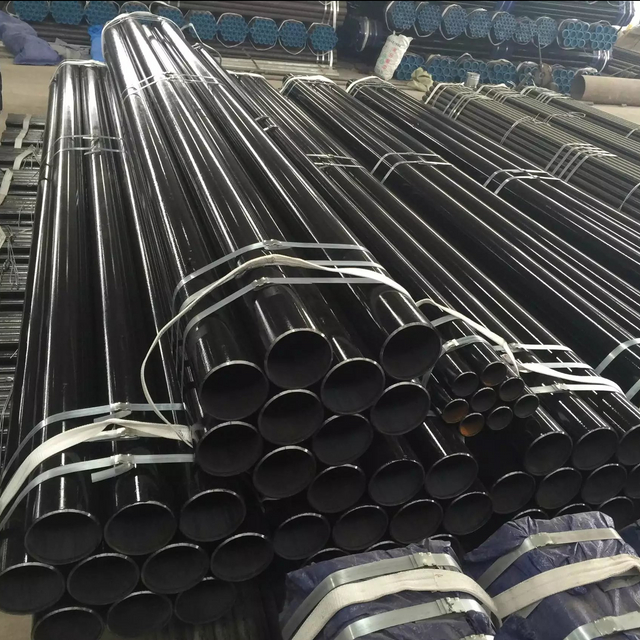
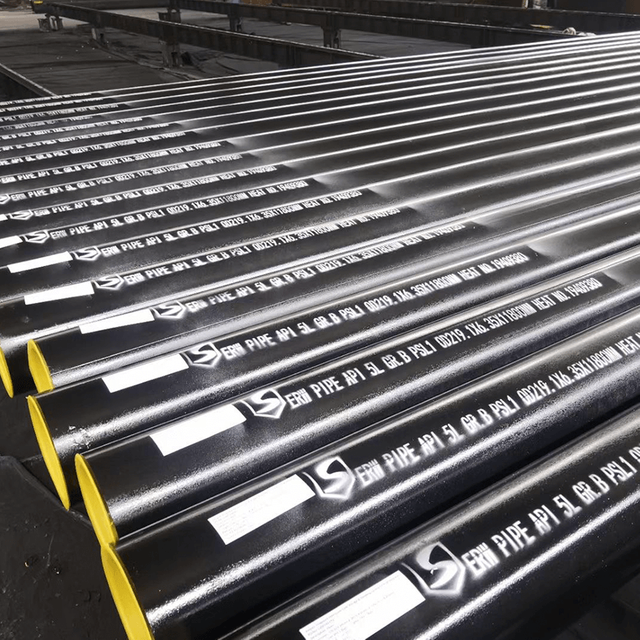
We supply a comprehensive range of high-quality boiler steel pipes designed for power plants, industrial boilers, and petrochemical facilities. Our core products include ASTM A192 seamless carbon steel tubes for high-pressure systems, ASTM A213 alloy steel tubes (T11, T22, T91, T92) for extreme heat resistance, and ASTM A106 pipes for high-temperature steam lines. We also offer stainless steel options (304, 316) for corrosive environments.
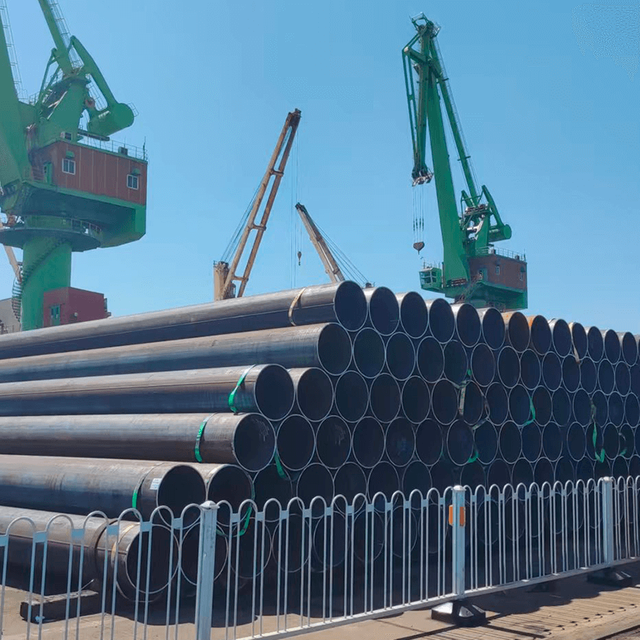
All products strictly comply with ASTM and ASME standards, backed by rigorous quality control, non-destructive testing, and full Mill Test Certificates (MTC). With extensive export experience across Asia, Europe, and the Americas, we provide professional global shipping via container or bulk vessel. Our customized packaging ensures safe, on-time delivery for all your international energy and industrial projects.
Advantages and Limitations
To ensure safe and efficient boiler operation, selecting the right steel pipe grade is essential. Each category offers specific benefits and drawbacks depending on the operating environment. Here is a concise comparison of the main boiler steel pipe grades:
Pipe Grade | Key Advantages | Key Limitations |
Carbon Steel | Cost-effective with reliable strength and excellent weldability. | Lower heat and corrosion resistance; requires frequent maintenance. |
Alloy Steel | Superior creep and oxidation resistance for high heat and pressure. | Higher cost; demands precise welding and skilled fabrication. |
Stainless Steel | Excellent corrosion resistance for aggressive or marine environments. | Highest material cost; often over-specified for standard boilers. |
Carbon steel offers an economical choice for general use, alloy steel is essential for extreme heat and pressure, and stainless steel excels in corrosive settings. Balancing these traits with your budget ensures optimal boiler reliability.
Conclusion
Boiler steel pipe grades are fundamental to the safe and efficient operation of industrial boiler systems. Selecting the correct pipe material directly influences system performance, durability, and long-term stability across various applications.
Carbon steel pipes (ASTM A106, A192) remain widely used due to their cost-effectiveness and reliable mechanical strength. They are ideal for low to medium-pressure applications and general industrial heating systems, though they require careful evaluation for high-temperature or corrosive environments.
For extreme conditions, alloy steel pipes (ASTM A213 T11, T22, T91, T92) offer a superior solution. Their enhanced creep resistance, thermal stability, and oxidation resistance make them essential for modern power generation systems, including superheaters and reheaters. While they come at a higher cost, their long-term performance justifies the investment.
In specialized environments involving chemical exposure or moisture, stainless steel pipes (304, 316) provide excellent corrosion resistance and durability. They are highly valued in industries requiring high cleanliness and resistance to aggressive media.
Ultimately, selecting the right boiler steel pipe grade requires balancing operating pressure, temperature, corrosion risks, and budget. There is no universal solution; each grade serves a specific purpose. Making informed material choices helps reduce maintenance costs, extend service life, and ensure the overall reliability of modern thermal systems.
FAQ:
(1) What is the most commonly used boiler steel pipe grade?
Overview of ASTM A106 and A192 usage
(2) What is the difference between carbon steel and alloy steel boiler pipes?
Strength, temperature resistance, and cost comparison
(3) Which boiler pipe grade is best for high-pressure systems?
Use of alloy steel grades like T11, T22, T91