Tel: +86-0731-88672086 E-mail: info@great-pipe.com
- All
- Product Name
- Product Keyword
- Product Model
- Product Summary
- Product Description
- Multi Field Search

Views: 5 Author: Site Editor Publish Time: 2026-06-23 Origin: Site
Ocean freight exposes carbon steel pipes to severe corrosion risks. Choosing the right surface protection is crucial to prevent costly rust damage and project delays. Two primary options exist:
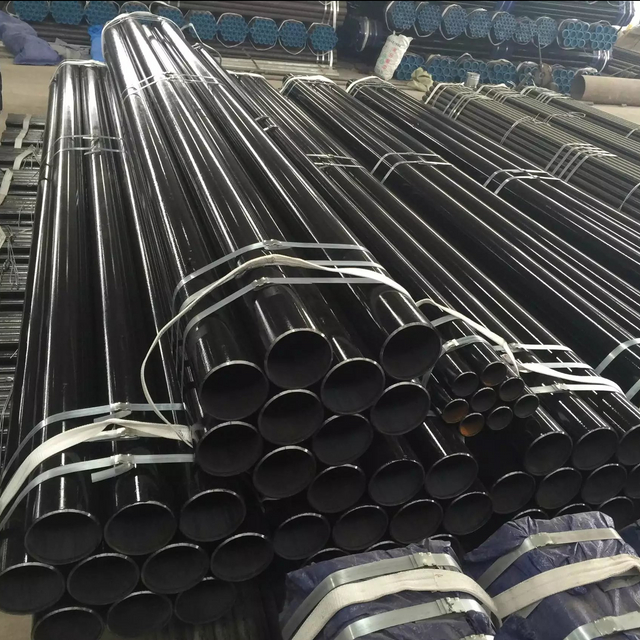
Bare (Black) Pipe: Uncoated with only natural mill scale or light oil. It is the most economical choice but offers minimal defense against salt spray and humidity, making it risky for long ocean voyages.
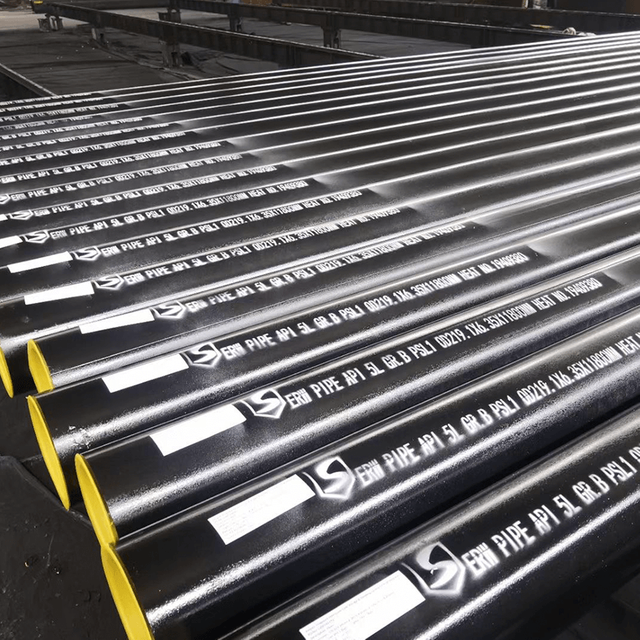
Mill Varnish: A thin, temporary coating applied at the mill. It acts as a reliable barrier against oxidation during transit and is easily removed before welding or final coating.
Selecting bare pipe for long international shipments can lead to rejected cargo, while using mill varnish for short domestic trips adds unnecessary costs. This guide compares both options to help procurement professionals balance cost and protection, ensuring pipes arrive in saleable, installation-ready condition.
Bare (Black) Pipe—Characteristics and Suitability
Bare (black) pipe is uncoated carbon steel featuring only natural mill scale or light oil. It is the most cost-effective option and offers fabrication convenience, as no coating removal is needed before welding. However, it provides low corrosion resistance and is highly vulnerable to ocean freight elements like salt spray and container condensation.
Bare pipe is ideal for short domestic transit (under 15 days), dry indoor installations, or when the final coating is applied at the destination. Conversely, long ocean voyages risk severe rust damage due to moisture and salt contamination. Buyers should choose bare pipe only when the budget is tight and corrosion risks are minimal; otherwise, mill varnish is strongly advised for export.
Bare Pipe Selection Guide
Category | Details |
Key Advantages | • Lowest initial cost. |
Ideal Use Cases | • Short transit (<15 days) or domestic delivery. |
Ocean Freight Risks | • Vulnerable to container sweat and salt contamination. |
Mill Varnish—Characteristics and Suitability
Mill varnish is a thin, temporary coating applied at the mill to protect carbon steel pipes during ocean freight and short-term storage. It acts as a physical barrier against salt spray, condensation, and humidity, making it highly effective for voyages exceeding 20 days. The coating is durable enough to withstand handling but is specifically designed for easy removal via solvents, grinding, or preheating before final welding or coating.
While mill varnish provides moderate corrosion resistance and ensures pipes arrive in pristine condition, it is strictly a transit solution. It is not suitable for long-term outdoor exposure, buried service, or chemically aggressive environments. Rough handling can also scratch the coating, exposing bare steel. For short domestic shipments or dry indoor installations, bare pipe is more economical. However, for international export, coastal destinations, or when final coating occurs at the destination, mill varnish is a cost-effective and necessary investment to prevent rust and project delays.
Mill Varnish Selection Guide
Category | Details |
Key Advantages | • Reliable protection against ocean transit elements. |
Ideal Use Cases | • Ocean freight exceeding 20 days. |
Limitations | • Temporary only; must be removed before long-term service. |
Comparison—Bare vs. Mill Varnish for Ocean Freight
Choosing between bare and mill varnish-coated pipes requires balancing transit duration, storage conditions, and budget. Bare pipe is highly cost-effective for short domestic deliveries (under 15 days) and indoor installations but is highly vulnerable to container condensation and salt spray. Mill varnish provides a reliable barrier against oxidation for ocean voyages up to 60 days. While it adds a modest 5–10% premium, this cost is easily justified compared to the massive expenses of sandblasting rust or replacing rejected cargo on long-haul routes.
Buyers must also avoid common misconceptions: mill varnish is strictly a temporary coating that must be removed before final welding, and it does not eliminate all corrosion risks if the coating is physically damaged during rough handling. Proper packaging and careful handling remain essential. Ultimately, the decision should match the actual logistics chain—avoid over-specifying for short routes, but never under-specifying for long international shipments.
Bare vs. Mill Varnish Comparison
Factor | Bare Pipe | Mill Varnish Pipe |
Corrosion Resistance | Low (relies on mill scale/light oil) | Moderate (blocks salt & condensation) |
Transit Duration Limit | Under 15 days | Up to 60 days |
Cost | Lowest | Slightly higher (5–10% premium) |
Fabrication | Excellent (no removal needed) | Good (easily removed via solvent/grinding) |
Best Applications | Indoor structures, short-haul routes | Export shipments, coastal/humid destinations |
Product Recommendations and Shipping Information
We offer tailored surface protection for carbon steel pipes based on transit needs. Bare pipe with light oiling suits short domestic routes, while mill varnish is ideal for ocean freight. For long-haul or harsh environments, we provide permanent FBE and 3LPE coatings.
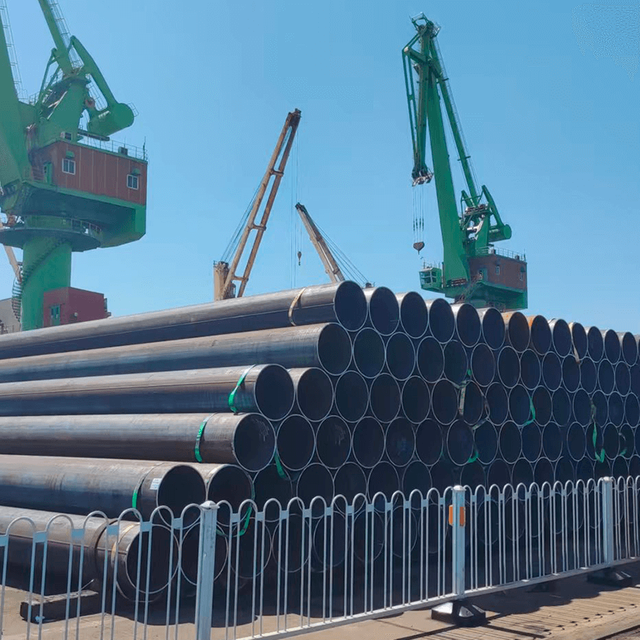
Our export packaging includes steel strapping, waterproof PE film, and end protectors to prevent transit damage. We ship via containerized sea freight from Tianjin and Shanghai to global destinations. Lead times range from 7 days for bare pipe to 35 days for custom coatings.
Volume discounts are available for bulk orders (MOQ: 20 tons). All shipments include Mill Test Certificates (EN 10204 / 3.1B), packing lists, and certificates of origin. Third-party inspections (SGS, BV) are supported to ensure quality compliance.
Conclusion
Choosing between bare and mill varnish-coated carbon steel pipes depends on matching protection to your logistics chain. Bare pipe is cost-effective for short domestic routes (under 15 days) and indoor installations. However, it is highly vulnerable to ocean transit elements like salt spray and condensation.
For long-haul ocean freight (over 20 days) and humid destinations, mill varnish is strongly recommended. Its modest cost premium prevents expensive rust damage, rework, and shipment rejections. Regardless of the coating chosen, proper export packaging and careful handling are essential to ensure safe delivery. Prevention at the origin is always cheaper than rework after arrival. By aligning your surface protection choice with transit duration and destination conditions, you can ensure reliable, cost-effective shipments that arrive ready for installation.
FAQ:
FAQ 1: Will mill varnish protect carbon steel pipes during a 30-day ocean voyage?
Yes, mill varnish is specifically designed for temporary protection during ocean freight. The varnish forms a barrier layer that prevents oxidation from salt spray, humidity, and condensation during transit. For voyages to North America or Europe (approximately 30 days) and South America (45 days), mill varnish is recommended. However, if the varnish coating is scratched or damaged during handling, bare steel will be exposed and may rust. For extended storage after arrival, additional protection such as VCI packaging or anti-rust grease is advisable.
FAQ 2: How do I choose between bare pipe and mill varnish for my project?
The choice depends on three factors: transit duration, storage conditions after arrival, and fabrication requirements.
Bare pipe is suitable for short transit (under 15 days), dry indoor storage and installation, and when the pipe will be painted or coated at the destination before installation. It is more economical but offers minimal corrosion resistance.
Mill varnish is recommended for long ocean transits (over 20 days), outdoor or humid storage after arrival, and when the pipe will receive final coating later. The varnish prevents rust during the logistics chain, but must be removed before welding or final painting