Tel: +86-0731-88672086 E-mail: info@great-pipe.com
- All
- Product Name
- Product Keyword
- Product Model
- Product Summary
- Product Description
- Multi Field Search

Views: 10 Author: Site Editor Publish Time: 2026-05-22 Origin: Site
Well Casing and Piping: Essential Systems for Water & Drilling
Well casing and piping are vital for modern water wells, oil, and gas projects. They provide structural support, prevent borehole collapse, and protect groundwater from contamination. Casing materials like carbon steel, stainless steel, and PVC ensure durability, while production piping safely transports fluids under pressure.
Proper installation—including drilling, grouting, and testing—follows strict industry standards to guarantee safety and prevent leaks. Whether for residential, agricultural, or industrial use, high-quality casing systems maximize flow capacity and corrosion resistance. Investing in professional well installation ensures long-term efficiency, operational safety, and reliable resource extraction.
Key Components of Well Casing and Piping Systems
A reliable well system relies on high-quality components designed for stability and fluid efficiency. The primary element is the well casing, typically made from carbon steel, stainless steel, or PVC. It prevents borehole collapse and isolates groundwater from contamination. For fluid transport, production piping moves water to the surface, utilizing seamless steel or corrosion-resistant pipes to withstand internal pressure and harsh environments.
Well screens are installed in water-bearing zones to filter out sand and sediment while maximizing water inflow. To ensure structural integrity, couplings and centralizers securely connect pipes and maintain alignment within the borehole. Additionally, gravel packs and cement grout are essential for sealing the annular space, preventing leaks, and strengthening the overall well structure.
Adhering to API and ASTM standards ensures these components meet strict requirements for pressure resistance and durability. Selecting the right materials based on well depth and geological conditions is crucial for building a safe, long-lasting, and efficient water well system.
Step-by-Step Installation Process for Well Casing and Piping
Professional well casing and piping installation is essential to ensure structural stability, groundwater protection, and long-term system performance. The process begins with site investigation and well design, where engineers evaluate geological conditions to determine the optimal depth, casing diameter, and materials.
Once the plan is set, borehole drilling begins using methods such as rotary or percussion drilling to create a stable opening. The well casing is then carefully lowered and connected section by section to prevent borehole collapse. In the water-bearing zones, well screens are installed to filter out sediment, often accompanied by gravel packing to enhance filtration.
To protect water quality, grouting and sealing are performed to fill the space between the casing and the borehole wall, effectively isolating aquifers from surface contamination. Next, the production piping and pump systems are installed inside the casing to transport water efficiently.
The process concludes with well development and testing, which involves flushing out debris and conducting pump tests to verify water quality and flow rates. Following these strict installation steps guarantees a safe, durable, and high-performing water well system.
Common Installation Challenges and Solutions
Common Challenge | Causes & Risks | Prevention & Solutions |
Casing Misalignment | Caused by unstable ground or improper lowering; leads to pump installation issues and reduced flow. | Use centralizers, maintain a straight borehole, and lower casing sections at a controlled speed. |
Corrosion & Degradation | Moisture, salts, and chemicals weaken steel, causing leaks or structural failure over time. | Select stainless steel or coated pipes; conduct regular water quality monitoring and inspections. |
Sand Intrusion | Incorrect screen selection allows sediment to enter, damaging pumps and reducing water quality. | Choose the correct screen slot size based on geology and use properly graded gravel packs. |
Connection Leakage | Poor welding or loose fittings at joints cause pressure loss and contamination risks. | Perform professional welding, use high-quality couplings, and conduct rigorous pressure testing. |
Borehole Collapse | Occurs in loose formations during drilling and blocking installation. | Utilize drilling mud systems to stabilize the hole and execute fast, organized installation procedures. |
Poor Grouting | Improper sealing allows surface contaminants to infiltrate groundwater systems. | Use suitable cement grout materials and strictly follow sealing protocols for environmental protection. |
Recommended Well Casing Products & Global Shipping
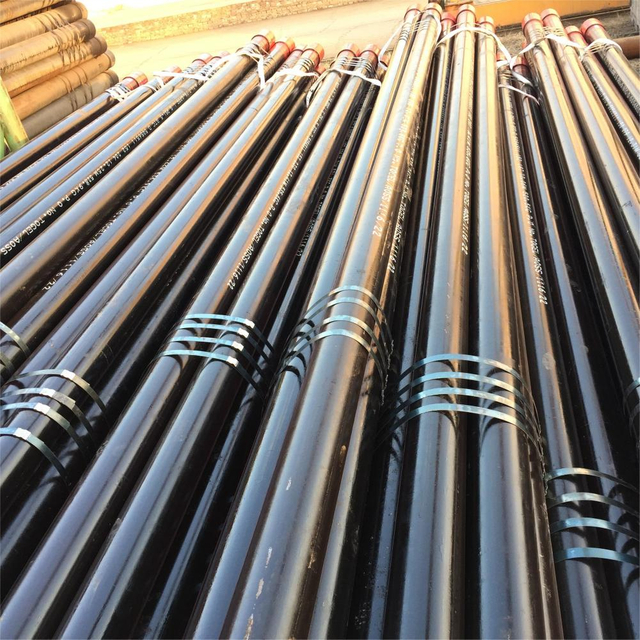
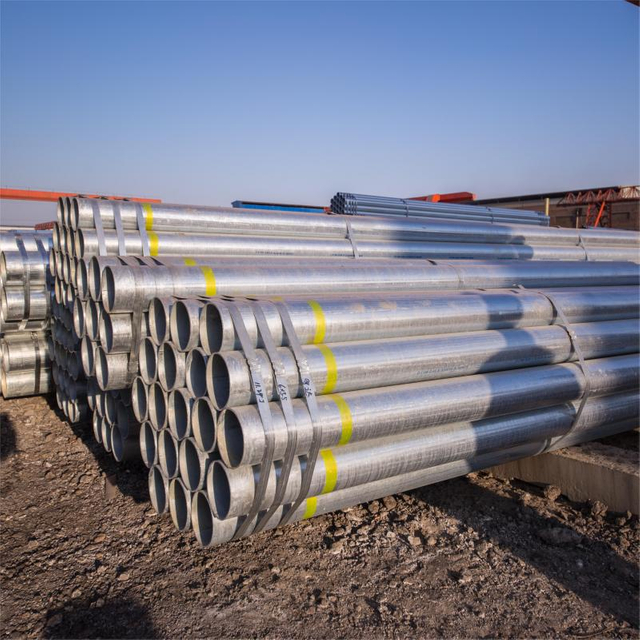
Ensure long-term well performance with our high-quality well casing and piping products. We supply durable carbon steel and corrosion-resistant stainless steel casings, seamless pipes, and cost-effective PVC systems for various drilling and water supply projects. All products are manufactured to strict API and ASTM standards, with customizable fittings, coatings, and dimensions to meet specific engineering needs.
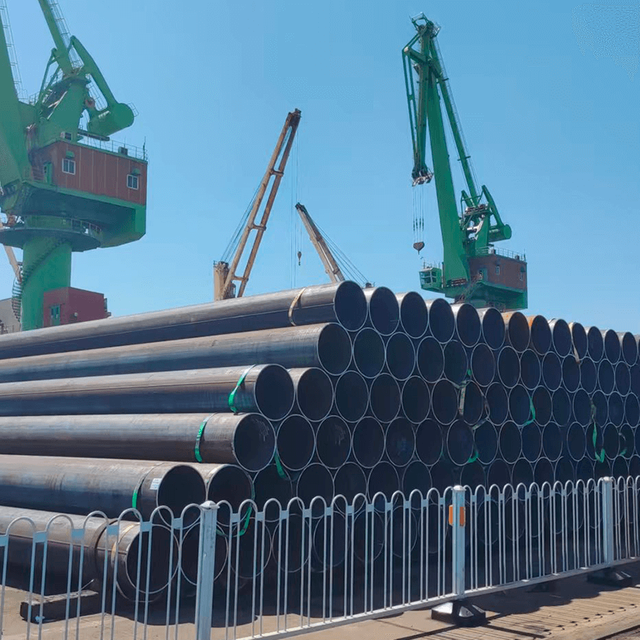
Beyond manufacturing, we offer professional global shipping services to North America, Europe, the Middle East, and beyond. Our secure export packaging and efficient multimodal logistics ensure your materials arrive safely and on time. Partner with us for reliable products and seamless international delivery.
Well Maintenance & Inspection Checklist
Maintenance Focus | Key Actions & Solutions |
Well Casing Integrity | Detect corrosion/cracks using downhole cameras; apply anti-corrosion coatings. |
Water Quality Monitoring | Conduct regular testing for contaminants, bacteria, and chemical changes. |
Screen & Pipe Efficiency | Remove sediment and scale via air lifting or high-pressure flushing. |
Pump & Connection Check | Inspect for leaks and pressure loss; perform vibration and flow monitoring. |
Record Keeping | Log inspection reports and repair history to track system trends. |
Conclusion: Ensuring Reliable Well Casing and Piping Systems
Well casing and piping systems are the backbone of safe and efficient groundwater extraction. From initial site investigation and drilling to casing placement and grouting, every installation step must adhere to strict engineering standards to ensure structural stability and prevent contamination. Selecting the right materials—whether durable carbon steel, corrosion-resistant stainless steel, or cost-effective PVC—is crucial for long-term performance.
Beyond installation, proactive maintenance is key. Regular inspections, water quality testing, and timely cleaning help prevent common issues like corrosion, sediment intrusion, and leakage. By combining high-quality, API-compliant products with professional installation and ongoing care, operators can significantly extend well lifespan, reduce operational costs, and ensure sustainable, reliable water resource management for years to come.
FAQ:
(1) What is the purpose of well casing in water wells?
Protecting the well from collapse
Preventing contamination from the surrounding soil and groundwater
Supporting long-term well stability
(2) Which material is best for well casing and piping?
Comparison of steel, stainless steel, and PVC
Choosing materials based on depth, corrosion conditions, and budget
(3) How deep should the well casing be installed?
Factors affecting casing depth
Geological and regulatory considerations
(4) How long does a well casing system last?
Expected lifespan of different materials
Maintenance factors affecting durability