Tel: +86-0731-88672086 E-mail: info@great-pipe.com
- All
- Product Name
- Product Keyword
- Product Model
- Product Summary
- Product Description
- Multi Field Search

Views: 5 Author: Site Editor Publish Time: 2026-05-28 Origin: Site
Steel pipes and steel profiles are essential in modern construction and industry, yet serve distinct purposes. Steel pipes are hollow cylinders (seamless or welded) primarily designed for transporting fluids and handling internal pressure. In contrast, steel profiles—such as H-beams, I-beams, and angle steel—are shaped specifically for load-bearing structural support and rigidity.
While pipes excel in transportation systems like oil and gas pipelines, profiles provide stability in buildings and bridges. Both products feature enhanced durability through galvanizing and protective coatings. Understanding these differences ensures the right material selection for safe, efficient, and cost-effective engineering projects.
What Are Steel Pipes? Definition, Types & Uses
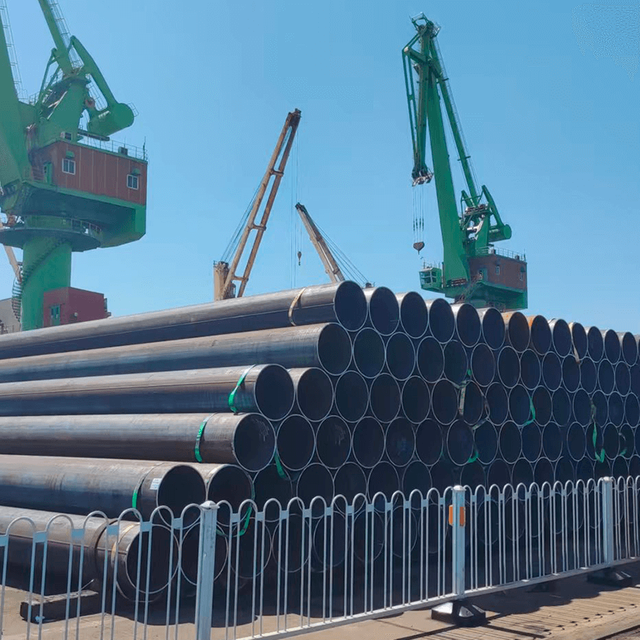
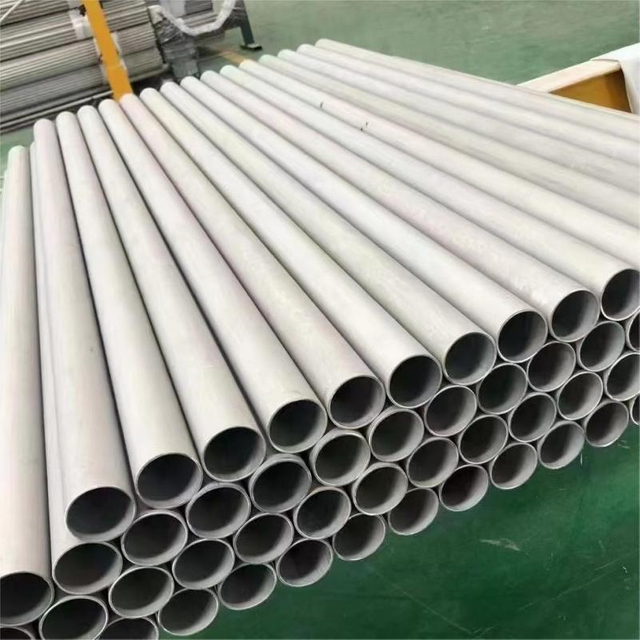
Steel pipes are hollow cylindrical products essential for transporting fluids, gases, and solids in modern industry. Made from carbon, alloy, or stainless steel, they are primarily categorized into seamless and welded types based on manufacturing methods. Seamless pipes, formed by piercing solid billets without welds, offer superior pressure resistance for high-stress environments. Welded pipes (including ERW, SSAW, and LSAW) are created by rolling and welding steel plates, providing cost-effective solutions for various sizes.
Key characteristics of steel pipes include high mechanical strength, durability, impact resistance, and excellent weldability. They can be further protected with coatings like galvanizing or epoxy to withstand harsh conditions. Their versatile applications span oil and gas pipelines, water supply systems, HVAC, construction scaffolding, and mechanical engineering.
What Are Steel Profiles? Definition, Types & Uses
Steel profiles are specialized structural steel products manufactured into specific cross-sectional shapes to provide strength and framework support. Unlike hollow pipes designed for fluid transport, profiles are engineered primarily for load-bearing applications in construction and industrial engineering. They are typically produced through hot rolling or cold forming processes to ensure high structural efficiency.
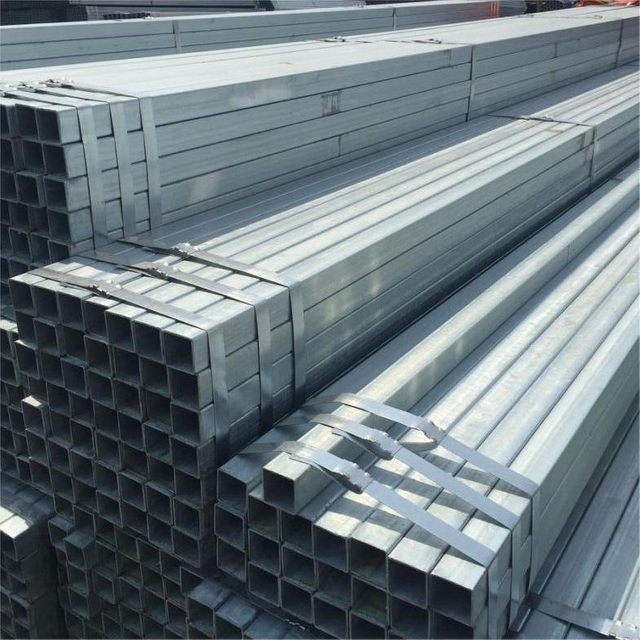
Common types of steel profiles include H-beams and I-beams for heavy vertical loads, angle steel (L-shaped) and channel steel (U-shaped) for frames and brackets, as well as square and rectangular hollow sections. These shapes are specifically designed to optimize stiffness and maximize resistance to bending, compression, and deformation.
Key characteristics of steel profiles include a high strength-to-weight ratio, excellent dimensional stability, and superior weldability. Their standardized dimensions allow for fast fabrication and easy assembly using bolts or mechanical fasteners. Widely used in building frames, bridges, industrial plants, and vehicle chassis, steel profiles offer the durability and design flexibility required for modern infrastructure projects.
Key Differences Between Steel Pipes and Steel Profiles
Comparison Dimension | Steel Pipes (钢管) | Steel Profiles (型钢/钢型材) |
Structural Design | Hollow circular structure for even pressure distribution. | Open or shaped cross-sections (H-beam, I-beam, Angle). |
Primary Function | Transportation of fluids, gases, and pressure containment. | Load-bearing, structural support, and framework stability. |
Common Applications | Oil & gas pipelines, water systems, HVAC, and mechanical tubing. | Building frames, bridges, industrial platforms, and machinery bases. |
Connection Method | Pressure-resistant welding and leak-proof sealing are required. | Welding, bolting, or mechanical fastening for assembly. |
Performance Focus | Internal pressure resistance, sealing, and flow efficiency. | Bending resistance, rigidity, and load distribution. |
Material Efficiency | Lightweight hollow design ideal for long-distance transport. | Optimized shapes maximize the strength-to-weight ratio in structures. |
Recommended Steel Pipes & Profiles with Global Shipping
We provide a comprehensive range of high-quality steel pipes and profiles tailored for transportation, structural support, and industrial fabrication. Our inventory includes seamless, ERW, SSAW, and LSAW steel pipes for high-pressure transmission and fluid systems, alongside diverse structural profiles like H-beams, I-beams, angle steel, channel steel, and hollow sections. All products are manufactured under strict quality control, complying with international standards such as ASTM, API, EN, and ISO. We also offer customized processing and protective coatings (galvanizing, epoxy, 3LPE) to ensure durability in harsh environments.
Our global export services reliably deliver to the Middle East, Africa, Southeast Asia, Europe, and the Americas. To guarantee safe arrival, we utilize export-standard packaging with protective wrapping and reinforced bunding. Flexible logistics options—including bulk vessels, container shipping, and multimodal transport—ensure efficient customs clearance and on-time project delivery. With professional quality management and robust shipping solutions, we are your trusted partner for safe, cost-effective steel material procurement.
How to Choose Between Steel Pipes and Steel Profiles
Selection Factor | Steel Pipes | Steel Profiles |
Application Purpose | Transporting liquids, gases, steam, or chemicals. | Providing structural support, frameworks, and load-bearing. |
Load & Pressure | Optimized for internal pressure resistance in closed systems. | Designed for external loads like bending, compression, and tension. |
Installation Environment | Often requires anti-corrosion coatings (e.g., epoxy, 3LPE) for underground/marine use. | Needs galvanizing or protective coatings for outdoor/humid exposure. |
Fabrication & Assembly | Requires welding, threading, or flanged connections for leak-proof sealing. | Assembled via bolting, welding, or mechanical fastening for structural integration. |
Budget & Maintenance | Higher coating/testing costs for pressure compliance; reduces fluid transport risks. | Cost-effective for large-scale structures; lowers long-term repair needs. |
Conclusion: Choosing the Right Steel Solution
Steel pipes and steel profiles are indispensable in modern engineering, each serving distinct yet complementary roles. Steel pipes, with their hollow circular design, are optimized for transporting fluids and gases under pressure, making them ideal for oil, gas, and water systems. In contrast, steel profiles (such as H-beams and angle steel) provide essential load-bearing support and structural stability for buildings, bridges, and industrial frameworks.
Selecting the right material depends on your project's specific needs—whether it requires internal pressure resistance or robust external load capacity. Modern projects often integrate both to achieve comprehensive functionality. By understanding these differences and prioritizing high-quality materials, engineers and contractors can ensure safer, more efficient, and cost-effective project outcomes.
FAQ:
(1) Can steel pipes be used as structural supports?
Explanation of structural pipe applications and limitations
(2) What is the main difference between steel pipes and steel profiles?
Hollow transport function vs. structural support function
(3) Which is stronger, steel pipes or steel profiles?
Comparison based on load type and application conditions
(4) Are galvanized steel pipes and profiles suitable for outdoor use?
Corrosion resistance and coating benefits