Tel: +86-0731-88672086 E-mail: info@great-pipe.com
- All
- Product Name
- Product Keyword
- Product Model
- Product Summary
- Product Description
- Multi Field Search

Views: 5 Author: Site Editor Publish Time: 2026-05-19 Origin: Site
Why Manufacturing Methods Matter in Seamless Tube Production?
Seamless steel tubes are vital for high-stress industries like oil & gas, automotive, and power generation due to their superior structural integrity. However, tube performance relies heavily on the manufacturing method. Two primary processes—cold drawing and hot expansion—dictate the final quality, dimensions, and cost of the product.
Cold drawing produces SMLS tubes with exceptional precision, smooth surfaces, and tight dimensional tolerances. These tubes are ideal for precision engineering, hydraulic systems, and automotive components where accuracy is critical.
Conversely, hot expansion is designed to manufacture larger-diameter seamless pipes cost-effectively. By expanding pipes at high temperatures, this method suits heavy industrial applications like oil pipelines and structural projects requiring non-standard dimensions.
Choosing the right method impacts project efficiency and long-term performance. This guide compares cold-drawn vs. hot-expanded seamless tubes to help engineers and buyers select the optimal solution for their specific industrial needs.
What Is Cold Drawing in Seamless Tube Manufacturing?
Cold drawing is a precision manufacturing process used to enhance the dimensional accuracy, surface quality, and mechanical strength of seamless steel tubes. Performed at room temperature, the process involves pulling a hot-finished tube through a hardened die (and often a mandrel) to precisely reduce its outer diameter and wall thickness.
This method delivers exceptional dimensional consistency, superior surface smoothness, and uniform wall thickness. Additionally, cold drawing improves mechanical properties like tensile strength and hardness through work hardening. These characteristics make cold-drawn seamless tubes ideal for high-stress, precision-critical applications, including hydraulic cylinders, automotive components, bearings, and instrumentation systems.
While cold drawing offers unmatched precision, it is generally slower and more costly than hot processing methods. It is best suited for smaller diameter tubes rather than large-scale piping. Overall, for industries demanding strict tolerances, a refined finish, and enhanced durability, cold-drawn seamless tubes remain the optimal choice.
What Is Hot Expansion in Seamless Tube Manufacturing?
Hot expansion is a manufacturing process designed to produce large-diameter seamless steel tubes by heating and expanding smaller seamless pipes at high temperatures. This method is essential for creating oversized, heavy-wall pipes that are difficult or inefficient to produce through standard rolling or cold drawing.
The primary advantage of hot expansion is its cost-effectiveness and flexibility. By expanding smaller tubes, manufacturers can produce large-diameter pipes with reduced raw material waste, making it ideal for non-standard sizes. These tubes are widely used in heavy industries such as oil and gas transportation, petrochemical systems, power plants, and structural engineering, where high capacity and strength are critical.
Compared to cold-drawn tubes, hot-expanded tubes typically have wider dimensional tolerances and a rougher surface finish. However, for heavy industrial applications, structural strength and size availability often take precedence over extreme precision. Additionally, hot expansion significantly improves production efficiency for large pipes, shortening delivery times for major infrastructure projects.
Cold Drawing vs. Hot Expansion: Key Differences
Feature | Cold Drawing | Hot Expansion |
Process | Room temperature | High temperature |
Goal | Precision & size reduction | Diameter enlargement |
Accuracy | High (tight tolerances) | Moderate (wider tolerances) |
Surface | Smooth & polished | Rougher finish |
Size Range | Small diameter, thin-wall | Large diameter, heavy-wall |
Cost | Higher | More economical |
Best For | Hydraulics, automotive, machinery | Pipelines, structural, power plants |
Our Recommended Seamless Tube Products and Global Shipping Services
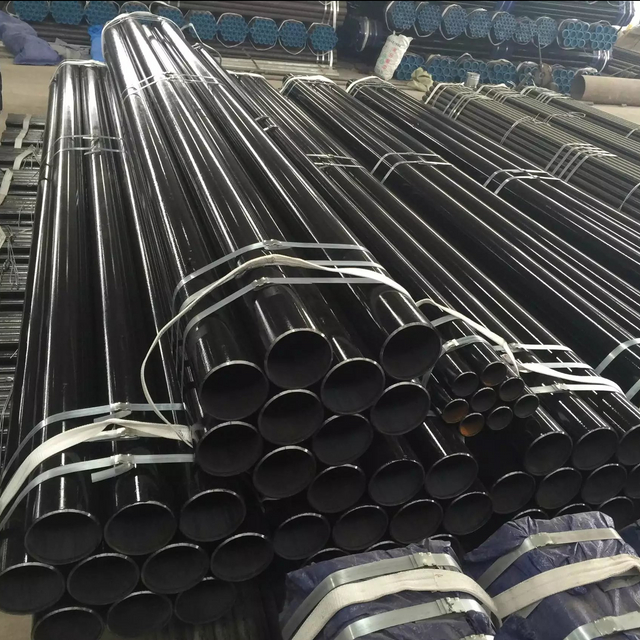
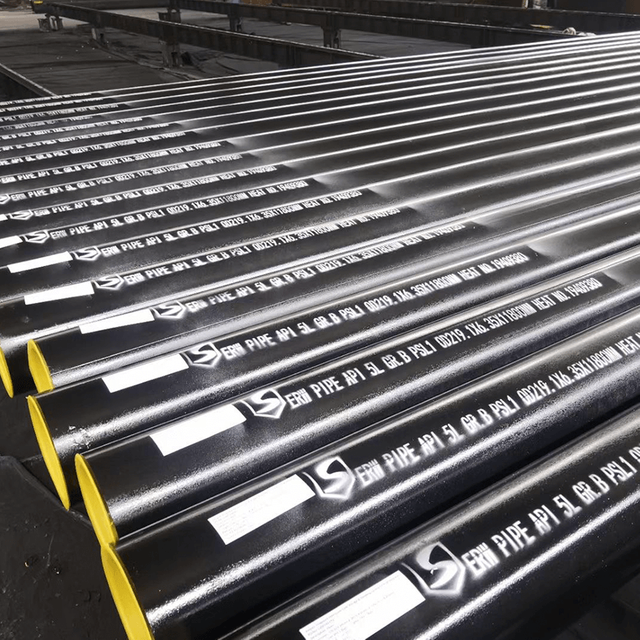
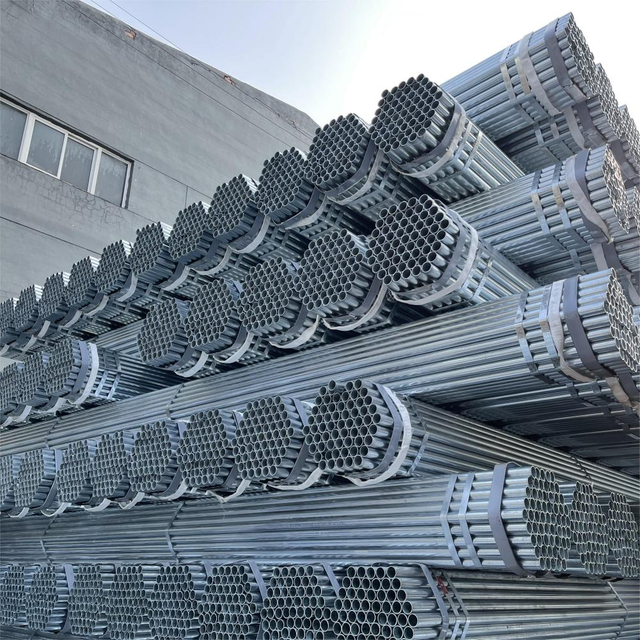
As a trusted global supplier, we provide high-quality cold-drawn and hot-expanded seamless steel tubes tailored for industries like oil & gas, construction, and power generation. Our extensive inventory includes carbon steel, alloy steel, and boiler tubes compliant with international standards such as ASTM, API 5L, and EN.
Beyond standard products, we offer custom processing services including cutting, threading, heat treatment, and anti-corrosion coating, backed by complete quality documentation. To ensure safe and timely delivery, we utilize export-standard packaging and support worldwide shipping via containers and bulk vessels. Whether for precision machinery or large-scale pipelines, we deliver reliable, seamless tube solutions globally.
How to Choose: Cold Drawn vs. Hot Expanded Seamless Tubes
Decision Factor | Choose Cold Drawn Seamless Tubes | Choose Hot Expanded Seamless Tubes |
Dimensional Accuracy | High precision, tight tolerances, and uniform wall thickness. | Moderate accuracy; suitable for non-critical sizing. |
Tube Size & Diameter | Best for smaller diameters and thin-wall applications. | Ideal for large-diameter and oversized industrial pipes. |
Mechanical Performance | Higher tensile strength and hardness (work hardening). | Strong structural reliability for heavy industrial use. |
Surface Finish | Smooth and polished; requires minimal machining. | Rougher surface due to heating; may need finishing. |
Budget & Cost | Higher manufacturing cost due to complex processing. | Cost-effective for large-scale and bulk projects. |
Production & Delivery | Longer lead times due to multiple drawing steps. | Faster production and delivery for large pipe sizes. |
Best Applications | Hydraulics, automotive parts, precision machinery. | Oil & gas pipelines, structural engineering, power plants. |
Cold drawing and hot expansion are two essential manufacturing methods in seamless tube production, each tailored to distinct industrial needs. Cold-drawn tubes excel in dimensional accuracy, surface smoothness, and mechanical strength, making them the ideal choice for precision applications like hydraulic systems, automotive components, and machinery.
In contrast, hot expanded tubes are designed for large-diameter and heavy industrial projects. This cost-effective process produces oversized pipes efficiently, serving critical sectors such as oil and gas transportation, structural engineering, and power plants.
Selecting the right method requires balancing factors like tube size, pressure conditions, tolerance requirements, and budget. Partnering with a reliable supplier ensures you receive the right seamless tube solution—whether precision cold-drawn tubing or large hot-expanded pipes—to maximize project efficiency and long-term performance.
FAQ:
(1) Which is stronger, cold-drawn or hot-expanded seamless pipes?
Explanation of mechanical property differences
Discussion of hardness, strength, and industrial suitability
(2) Why are cold drawn seamless tubes more expensive?
Higher precision requirements
Additional processing steps
Quality control considerations
(3) Are hot-expanded seamless tubes suitable for high-pressure applications?
Suitable applications and limitations
Importance of material grade and testing standards
(4) Which industries commonly use cold drawn seamless steel tubes?
Automotive, machinery, hydraulic systems, and precision engineering sectors