Tel: +86-0731-88672086 E-mail: info@great-pipe.com
- All
- Product Name
- Product Keyword
- Product Model
- Product Summary
- Product Description
- Multi Field Search

Views: 8 Author: Site Editor Publish Time: 2026-05-21 Origin: Site
Rectangular steel pipes are essential in modern construction and fabrication due to their high strength, durability, and ease of installation. Their flat surfaces simplify welding and assembly, making them ideal for structural frames, bridges, machinery, and furniture. Available in carbon, galvanized, and stainless steel, these Rectangular Hollow Sections (RHS) offer excellent corrosion resistance and versatility. Compatible with CNC processing, they enhance production efficiency and reduce costs. Whether for infrastructure or industrial projects, choosing the right dimensions and steel grade ensures safety and long-term performance, establishing rectangular steel pipes as a reliable, cost-effective solution for global building needs.
What Are Rectangular Steel Pipes?
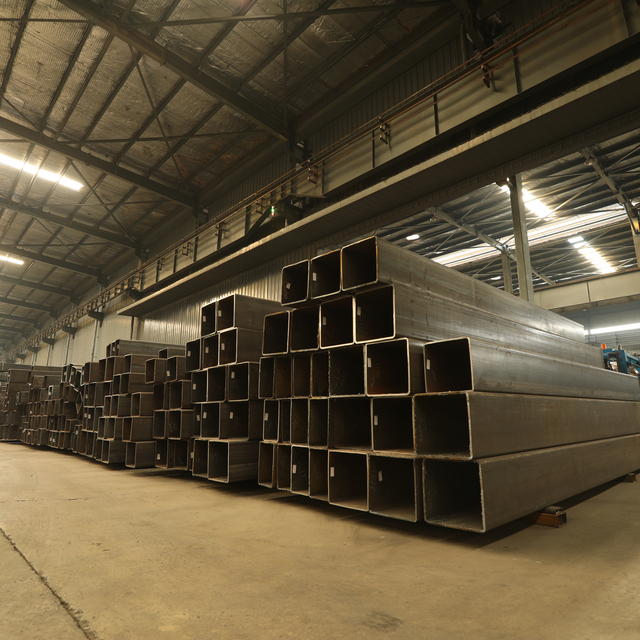
Rectangular steel pipes, also known as Rectangular Hollow Sections (RHS), are hollow steel tubes with a rectangular cross-section widely used in construction, infrastructure, and mechanical fabrication. Their design delivers high structural strength with a low weight-to-strength ratio, making them ideal for both heavy load-bearing and general fabrication needs.
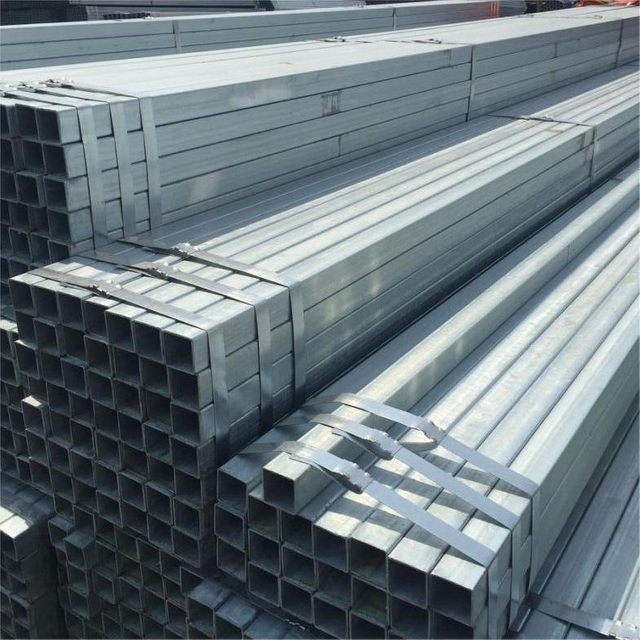
These pipes are typically manufactured from carbon steel, galvanized steel, or stainless steel using Electric Resistance Welding (ERW), hot rolling, or cold forming processes. Galvanized options offer superior corrosion resistance for outdoor environments, while stainless steel is chosen for hygienic and high-corrosion settings.
A key advantage of rectangular steel pipes is their flat surface, which simplifies cutting, welding, drilling, and assembly compared to round pipes. They also provide excellent bending resistance and stability. Available in various sizes and wall thicknesses, thin-wall tubes suit furniture and lightweight projects, while thick-wall sections support buildings and bridges. Manufactured to international standards like ASTM, EN, and JIS, rectangular steel pipes remain a versatile, cost-effective, and durable choice for global industries.
Common Uses of Rectangular Steel Pipes in Construction
Rectangular steel pipes are a cornerstone of the modern construction industry, valued for their high load-bearing capacity, structural efficiency, and ease of fabrication. Their flat surfaces significantly simplify welding and bolting, making them ideal for a wide range of residential, commercial, and industrial projects.
In structural engineering, these pipes are essential for building columns, beams, roof trusses, and support frameworks in warehouses, factories, and high-rise buildings. Their excellent strength-to-weight ratio ensures stability without adding excessive structural weight. For civil infrastructure, galvanized rectangular steel pipes are widely used in bridges, highway barriers, and pedestrian walkways, where their corrosion resistance and durability withstand harsh outdoor environments.
Architecturally, rectangular hollow sections (RHS) are favored for curtain wall supports, canopies, and façade frames due to their clean lines and modern aesthetic. They are also practically applied in fences, stair railings, balconies, and carports. Furthermore, their compatibility with standard cutting and drilling equipment enhances construction efficiency, making them a perfect fit for modular and prefabricated building systems. Combining strength, versatility, and cost-effectiveness, rectangular steel pipes remain a vital material in global construction.
Rectangular Steel Pipes in Fabrication & Manufacturing
Industry Sector | Common Applications | Key Advantages |
Machinery | Machine bases, conveyors, platforms | High load-bearing, vibration resistance |
Transportation | Truck frames, trailers, cargo containers | Efficient space use, easy repair |
Furniture | Tables, chairs, office shelving | Modern aesthetic, lightweight strength |
Storage | Pallet racks, industrial shelves | Durable support, corrosion resistance |
Energy & Agri | Solar mounts, farm equipment | High adaptability, customizable |
Production | Automated welding, CNC cutting | Precision, reduced labor costs |
Key Advantages of Rectangular Steel Pipes
Core Advantage | Key Benefit |
High Strength-to-Weight | Lightweight structure with superior load-bearing capacity |
Structural Stability | Excellent resistance to bending and twisting |
Easy Fabrication | Simple to weld and cut; compatible with CNC automation |
Space Efficiency | Flush fitting for tight spaces; easy stacking and transport |
Durability | High corrosion resistance (Galvanized or Stainless options) |
Cost-Effectiveness | Long service life with low maintenance costs |
How to Choose the Right Rectangular Steel Pipe
Selecting the right rectangular steel pipe is crucial for ensuring structural safety, durability, and cost efficiency. To make the best choice for your construction or fabrication project, consider the following key factors:
Ø Material Selection: Carbon steel is ideal for general structural use due to its cost-effectiveness. For outdoor or humid environments, galvanized steel offers superior rust protection, while stainless steel is best for highly corrosive settings like marine or chemical plants.
Ø Load-Bearing Capacity: Match the pipe's wall thickness and dimensions to your project's stress levels. Heavy-duty frameworks and machinery require thick-wall pipes for maximum strength, whereas furniture and decorative items can utilize lightweight, thin-wall tubing.
Ø Environmental Conditions: Always assess exposure to rain, humidity, or saltwater. Applying protective surface treatments like galvanization or powder coating significantly extends the service life of outdoor installations.
Ø Quality Standards: Ensure the pipes comply with international standards such as ASTM, EN, JIS, or GB. Certified products guarantee better dimensional accuracy, mechanical strength, and reliable welding performance.
Our Recommended Rectangular Steel Pipe Products and Global Shipping Services
We supply a comprehensive range of high-quality rectangular steel pipes tailored for construction, fabrication, and industrial projects. Our inventory includes ERW, galvanized, and heavy-duty structural hollow sections (RHS), all manufactured to meet international standards like ASTM, EN, JIS, and GB. Whether you need lightweight tubing or heavy structural supports, we offer customizable dimensions and surface finishes to suit your specific requirements.
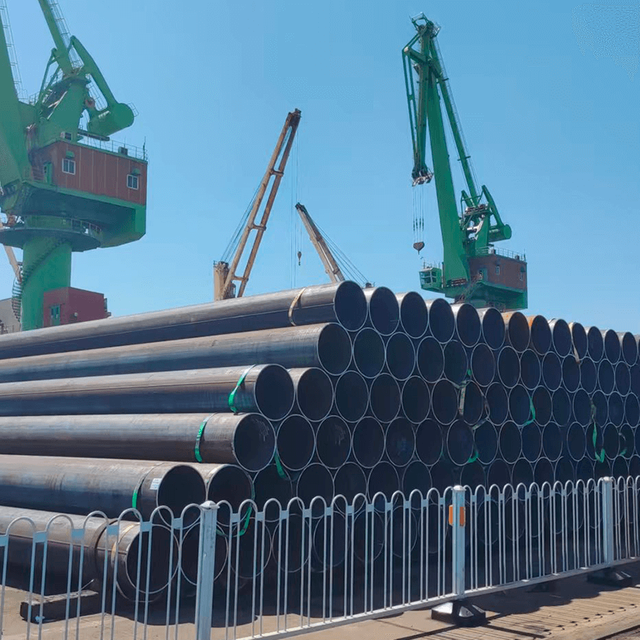
Backed by extensive export experience, we ensure efficient global shipping with professional packaging to prevent transit damage. Our team handles all essential documentation and logistics, offering flexible order quantities and fast quotations. Committed to stable quality and competitive pricing, we are your reliable partner for sourcing rectangular steel pipes worldwide.
Conclusion
Rectangular steel pipes are indispensable in modern construction, fabrication, and industrial manufacturing. Their exceptional strength-to-weight ratio, combined with flat surfaces that simplify welding and assembly, makes them a highly efficient structural solution. From building frameworks and infrastructure to machinery and furniture, they offer unmatched versatility and durability.
Available in carbon, galvanized, and stainless steel, these pipes can be tailored to meet specific load requirements and environmental conditions. As industries increasingly adopt modular construction and automated production, the demand for these precise and cost-effective hollow sections continues to grow.
Ultimately, choosing the right rectangular steel pipe—considering material grade, dimensions, and international standards—is crucial for project safety and long-term performance. With their proven reliability and low maintenance needs, rectangular steel pipes remain a foundational material for global engineering success.
FAQ:
(1) What is the difference between rectangular steel pipes and square steel tubes?
Shape differences
Structural advantages
Common application comparisons
(2) Are galvanized rectangular steel pipes better for outdoor use?
Corrosion resistance benefits
Lifespan in outdoor environments
Maintenance requirements
(3) Can rectangular steel pipes be used for load-bearing structures?
Structural performance explanation
Common engineering applications
Importance of proper thickness and grade selection
(4) What industries commonly use rectangular steel pipes?
Construction
Automotive manufacturing
Furniture production
Industrial equipment fabrication