Tel: +86-0731-88672086 E-mail: info@great-pipe.com
- All
- Product Name
- Product Keyword
- Product Model
- Product Summary
- Product Description
- Multi Field Search

Views: 8 Author: Site Editor Publish Time: 2026-05-26 Origin: Site
Steel pipes in oil, gas, and offshore industries often face extreme cold, where materials risk becoming brittle. To ensure safety, understanding low-temperature performance is vital. The Charpy V-Notch impact test is the industry standard for measuring a pipe's ability to absorb energy and resist sudden fracture in subzero environments.
Complying with international standards like ASTM, API, and EN guarantees that steel pipes maintain sufficient toughness for cryogenic and high-pressure applications. Selecting impact-tested pipes prevents catastrophic failures, reduces maintenance risks, and extends service life. As infrastructure expands into colder regions, prioritizing certified low-temperature steel pipes is essential for reliable, safe, and long-lasting pipeline engineering.
How Low Temperatures Affect Steel Pipes
Steel pipes operating in cold climates or handling cryogenic fluids like LNG face significant risks due to low temperatures. The most critical physical change is the reduction of toughness, causing steel to lose ductility and become brittle. This phenomenon, known as the ductile-to-brittle transition, means that even minor impacts or pressure fluctuations can trigger sudden, catastrophic fractures without warning.
Several factors influence a pipe's low-temperature performance. The chemical composition, particularly carbon content and alloying elements, plays a major role in maintaining toughness. Manufacturing methods also matter; seamless pipes generally offer more uniform properties, while welded pipes require strict quality control to prevent weak points. Additionally, proper heat treatment refines the internal structure to improve resistance against cracking.
External conditions such as cyclic loading, corrosion, and welding stress can further accelerate failure risks in cold environments. To mitigate these dangers, engineers must adhere to rigorous standards like ASTM A333 and API 5L, which set specific requirements for low-temperature service. Understanding these effects and selecting the correct impact-tested materials are essential steps for ensuring pipeline safety, preventing costly operational shutdowns, and guaranteeing long-term reliability in harsh conditions.
What Is Impact Testing for Steel Pipes?
Impact testing is a critical quality control method used to evaluate the toughness and fracture resistance of steel pipes, particularly in low-temperature environments. Its primary purpose is to measure how much energy a material can absorb under sudden shock loading, helping engineers determine if a pipe can withstand demanding service conditions without suffering brittle failure.
The most widely used standard in the industry is the Charpy V-Notch test. In this procedure, a notched steel specimen is struck by a pendulum hammer at specified subzero temperatures (such as -20°C or -40°C). The machine records the energy absorbed during the fracture; higher values indicate superior toughness and a stronger ability to resist rapid crack propagation.
International standards like ASTM A333 and API 5L often mandate these tests for pipelines handling cryogenic fluids or operating in cold climates. Beyond the base metal, testing frequently extends to weld seams and heat-affected zones, where microstructural changes can create potential weak points. By rigorously verifying impact resistance, manufacturers ensure pipeline reliability, regulatory compliance, and long-term operational safety in harsh global environments.
Industries Requiring Low-Temperature Impact-Tested Steel Pipes
Industry Sector | Key Applications & Conditions | Recommended Pipe Standards |
Oil & Gas | Pipelines in Arctic regions, offshore platforms, and cold climates face freezing temperatures and high pressure. | API 5L, ASTM A333 |
LNG (Liquefied Natural Gas) | Storage tanks, terminals, and transport systems handling cryogenic fluids at approx -162°C. | ASTM A333 (Grade 3/8) |
Offshore & Marine Engineering | Subsea pipelines and marine structures are exposed to harsh weather, seawater corrosion, and low temperatures. | Impact-tested structural pipes |
Power Generation | Thermal/nuclear plants and industrial boilers are subject to rapid temperature fluctuations and cold ambient air. | Alloy & Carbon steel pipes |
Construction & Infrastructure | Bridges, stadiums, and large steel structures in cold regions require high durability during winter. | Impact-tested structural pipes |
Our Recommended Steel Pipe Products and Global Shipping Services
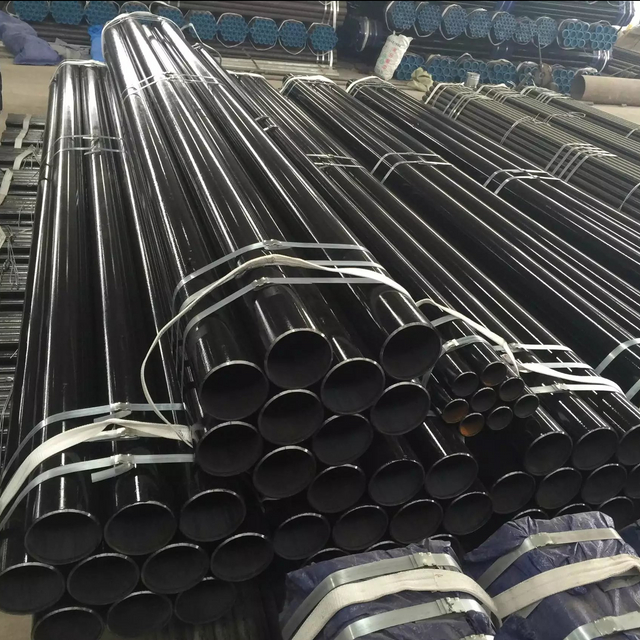
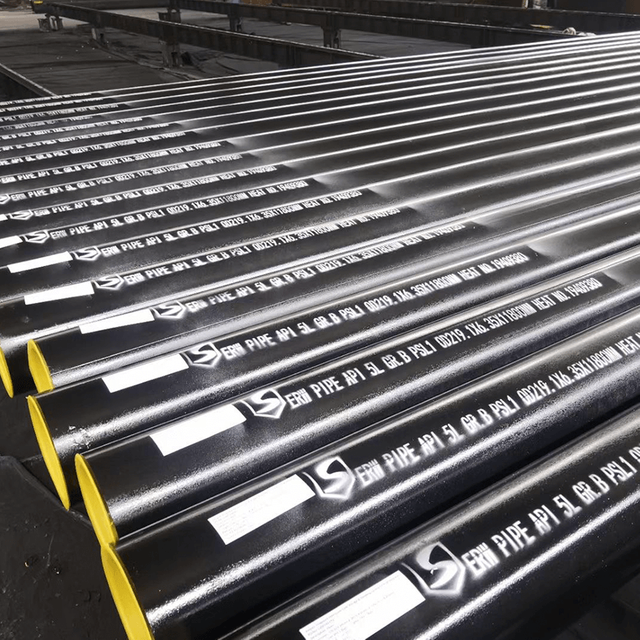
We supply premium impact-tested steel pipes designed for demanding low-temperature environments, including oil and gas transportation, LNG projects, and offshore engineering. Our recommended products include ASTM A333 seamless pipes, API 5L line pipes (X42-X65), and high-strength ASTM A335 alloy pipes. All materials are manufactured to international standards, ensuring superior toughness and resistance to brittle fracture in subzero conditions.
Comprehensive quality control is guaranteed through Charpy V-Notch impact testing, ultrasonic inspection, and full mill test certificates. We also offer customized welded solutions tailored to specific project requirements. Backed by professional global logistics, we provide efficient worldwide shipping via container or bulk cargo with protective packaging, ensuring safe and timely delivery for your critical infrastructure projects.
How to Choose the Right Steel Pipe for Cold Environments
Key Selection Factor | Evaluation Criteria & Best Practices |
Operating Temperature | Match steel grades to specific temperature ranges. Use standard carbon steel for mild climates, and select low-temperature grades like ASTM A333 or impact-tested API 5L pipes for subzero conditions. |
Material Composition | Opt for steel with controlled carbon content and suitable alloying elements to enhance toughness. Special materials are required for cryogenic systems to safely withstand extremely low temperatures. |
Impact Testing | Require Charpy V-Notch testing to verify energy absorption under sudden impact. Carefully review test reports (testing temperatures and absorbed energy values) to ensure compliance with project specs. |
Manufacturing Process | Seamless pipes offer uniform properties for high-pressure systems. For welded pipes, ensure strict welding procedures, heat treatment, and inspection to prevent weak points in cold conditions. |
Environmental Conditions | Evaluate internal pressure, fluid type, corrosion exposure, and cyclic loading. Arctic, offshore, and LNG projects typically demand stricter material standards due to harsh external factors. |
Documentation & Compliance | Demand complete mill test certificates, third-party inspection records, and adherence to international standards (ASTM, API, EN) to guarantee product quality, safety, and full traceability. |
Conclusion
Low temperatures significantly impact steel pipe safety, causing materials to lose toughness and become brittle. In critical sectors like oil and gas, LNG transportation, and offshore engineering, selecting the right low-temperature pipes is essential for operational reliability.
Impact testing, particularly the Charpy V-Notch test, is vital for evaluating a pipe's resistance to sudden fracture in subzero conditions. Standards like ASTM A333 and API 5L mandate these tests to ensure pipes maintain adequate toughness under stress. Proper material selection, combined with strict manufacturing controls and comprehensive certifications (such as mill test reports), guarantees pipeline integrity. As global infrastructure expands into colder regions, investing in high-quality, impact-tested steel pipes remains a crucial step for ensuring long-term safety, reducing maintenance costs, and achieving efficient project performance.
FAQ:
(1) Why is impact testing important for steel pipes used in cold weather?
Explanation of brittle fracture risks at low temperatures
Importance of verifying toughness and safety performance
(2) What is the most common impact test for steel pipes?
Introduction to the Charpy V-Notch test
Why is it widely accepted internationally?
(3) Which steel pipe grades are suitable for low-temperature applications?
Common low-temperature grades such as ASTM A333 and API 5L
Selection based on service conditions
(4) Can welded steel pipes also pass low-temperature impact testing?
Yes, if properly manufactured and heat-treated
Importance of weld seam quality control