Tel: +86-0731-88672086 E-mail: info@great-pipe.com
- All
- Product Name
- Product Keyword
- Product Model
- Product Summary
- Product Description
- Multi Field Search

Views: 2 Author: Site Editor Publish Time: 2026-07-14 Origin: Site
Steel pipes and elbows are fundamental components in modern piping systems, essential for transporting fluids across industries like oil and gas, construction, and power generation. While high-quality components are vital, selecting the correct connection method is equally critical to ensure the safety, efficiency, and long-term reliability of the entire system.
Steel elbows, available in 45°, 90°, and 180° angles, direct fluid flow, but their performance relies heavily on proper installation. Different projects demand specific connection methods based on operating pressure, temperature, pipe size, and maintenance requirements. Common types include butt weld, socket weld, threaded, flanged, and grooved connections. Welded connections are ideal for high-pressure and high-temperature applications due to their superior strength and leak resistance. Conversely, threaded and grooved connections are preferred for smaller systems requiring faster installation and easier maintenance.
Common Steel Pipe and Steel Elbow Connection Types
Selecting the appropriate connection method is critical for the strength, sealing performance, and maintenance of a piping system. Below is a concise comparison of the most common steel pipe and elbow connection types:
Connection Type | Key Characteristics & Best Applications |
|---|---|
Butt Weld | Creates a permanent, leak-resistant joint with a smooth inner surface for efficient flow. Ideal for high-pressure and high-temperature systems like oil, gas, and power plants. Requires skilled welding. |
Socket Weld | Involves inserting the pipe into a recessed fitting before welding. Provides strong, secure joints for small-diameter, high-pressure piping. Easier to align than butt welds but impractical for large diameters. |
Threaded | Uses matching threads for quick, weld-free installation and easy disassembly. Suitable for low- to medium-pressure systems like water supply and fire protection. Less ideal for high-temperature or high-vibration environments. |
Flanged | Connects pipes using flanges, bolts, and gaskets. Easily dismantled for convenient inspection and maintenance. Perfect for systems requiring frequent servicing of valves and pumps. |
Grooved | Utilizes machined grooves and mechanical couplings for fast, weld-free installation. Highly flexible and cost-effective for moderate-pressure applications like HVAC and fire protection systems. |
How to Choose the Right Connection Method
Selecting the right connection method is vital for a safe and efficient piping system. The best choice depends on operating conditions, maintenance needs, and budget. Below is a concise guide to key selection factors:
Selection Factors | Key Guidelines |
|---|---|
Pressure & Temp | Use butt/socket welds for high-pressure/high-temp systems. Threaded/grooved connections suit lower-pressure applications. |
Pipe Size | Butt welds fit large pipes; socket welds suit small ones. Flanged joints allow easy equipment removal. |
Maintenance | Flanged/grooved connections offer easy disassembly for frequent inspections or repairs. |
Material Compatibility | Match connection methods and seals to pipe materials to prevent corrosion and leaks. |
Standards | Always comply with ASTM, ASME, or API standards for guaranteed quality and compatibility. |
Cost vs. Value | Welded joints have higher upfront labor costs but lower maintenance. Threaded/grooved options save time and budget. |
Installation Methods and Best Practices
Proper installation is critical for preventing leaks, ensuring system reliability, and extending the service life of steel pipes and elbows. Following standard procedures and avoiding common mistakes guarantees optimal performance. Below is a concise guide to installation best practices:
Best Practices | Key Guidelines |
|---|---|
Pre-Installation Prep | Inspect components for defects. Clean pipe ends of dirt, oil, and burrs. Verify dimensions and connection types match project specs. |
Welded Connections | Ensure accurate alignment and correct bevel angles. Use qualified welders and perform non-destructive testing post-weld. |
Threaded Connections | Apply proper sealant/tape. Tighten to the recommended torque without over-tightening to prevent thread damage. |
Flanged Connections | Select the correct gasket. Tighten bolts evenly in a cross-pattern to ensure uniform pressure and a reliable seal. |
Grooved Systems | Verify groove specs and install couplings correctly before tightening. |
Testing & Inspection | Conduct hydrostatic or pneumatic pressure testing before use. Avoid poor alignment, uneven tightening, and incompatible materials. |
Recommended Steel Pipe and Steel Elbow Products & Worldwide Shipping
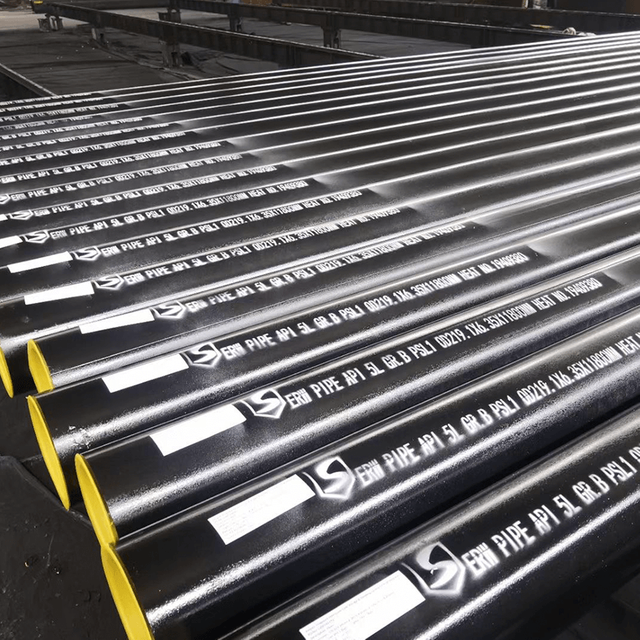
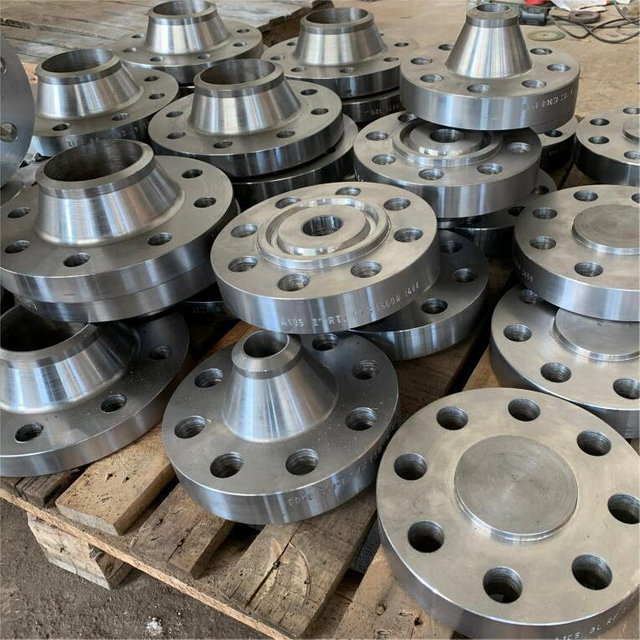
Choosing a reliable supplier is as critical as selecting the right connection method. We provide a comprehensive range of high-quality steel pipes and elbows, including seamless, welded, carbon, stainless, and alloy steel options. Our fittings feature 45°, 90°, and 180° elbows, tees, flanges, and more, all manufactured to strict international standards (ASTM, ASME, API, EN, DIN) to ensure safety and durability.
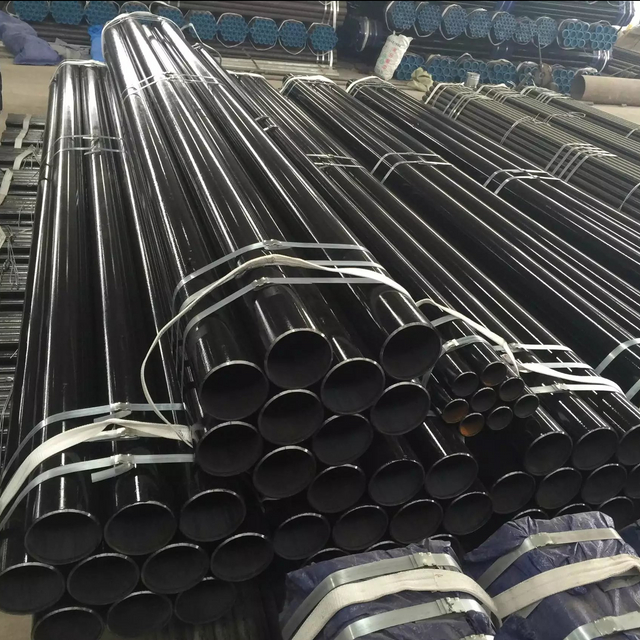
Quality is our top priority. We implement rigorous quality control and offer customized solutions based on your specific technical requirements. To ensure products arrive safely, we use secure packaging methods like steel bundles and waterproof wrapping. We support global clients across North America, Europe, the Middle East, and beyond with flexible shipping options (sea, air, express) and versatile trade terms (EXW, FOB, CIF, DDP).
Our experienced export team handles all logistics and documentation to guarantee efficient delivery. Whether you need standard components or complete piping solutions, we are committed to delivering reliable products and professional service. Contact us today to discuss your project requirements and receive a competitive quotation.
Conclusion
Selecting the right connection method is essential for a safe, efficient piping system. Whether utilizing butt welds for high pressure, threaded joints for quick installation, or flanged connections for easy maintenance, proper assembly and regular inspection are critical to preventing leaks and extending service life.
Equally important is sourcing high-quality steel pipes and elbows that comply with international standards. As a trusted supplier, we provide premium, standard, and customized piping solutions tailored to diverse industrial needs. Backed by strict quality control, secure packaging, and flexible global shipping, we ensure reliable delivery worldwide.
FAQ:
(1) What is the strongest connection method for steel pipe and steel elbows?
Explain why butt welding is generally considered the strongest permanent connection and when flanged joints may be preferred.
(2) Which connection type is best for high-pressure pipelines?
Compare butt weld, socket weld, and flanged connections for high-pressure service.
(3) Can threaded steel elbows be used in high-temperature applications?
Discuss pressure and temperature limitations and recommended alternatives.
(4) How do I choose between seamless and welded steel pipe?
Explain the differences in manufacturing, strength, cost, and typical applications.