Tel: +86-0731-88672086 E-mail: info@great-pipe.com
- All
- Product Name
- Product Keyword
- Product Model
- Product Summary
- Product Description
- Multi Field Search

Views: 3 Author: Site Editor Publish Time: 2026-07-08 Origin: Site
Oil pipeline quality control is vital for ensuring safe, efficient, and compliant energy transportation. This article explores essential QC measures, including material verification, welding inspections, non-destructive testing (NDT), hydrostatic pressure testing, and ongoing maintenance. By adhering to international standards like API, ASME, and ISO, operators can detect defects early, minimize environmental risks, and extend asset lifespan. Discover practical solutions and industry best practices to optimize your pipeline projects and achieve long-term safety.
Key Quality Control Measures for Oil Pipelines
Effective quality control (QC) is essential throughout the oil pipeline lifecycle to ensure safety, durability, and compliance with industry standards. Implementing a systematic QC program helps detect defects early, reduce operational risks, and extend asset lifespan. Below are the key quality control measures applied during different project phases:
QC Phase | Key Inspection & Testing Measures |
Raw Material Inspection | Verify chemical composition, mechanical properties, dimensions, and surface conditions using material test certificates. |
Manufacturing QC | Conduct dimensional checks and Non-Destructive Testing (NDT) such as ultrasonic (UT), radiographic (RT), and magnetic particle testing (MT) to detect internal or surface defects. |
Coating & Corrosion Protection | Inspect coating thickness, adhesion, and uniformity. Perform holiday testing to identify pinholes that could expose steel to corrosive substances. |
Pressure & Performance Testing | Conduct hydrostatic testing to verify structural integrity and leak resistance under pressures higher than normal operating conditions. |
Installation QC | Monitor field welding, joint alignment, trench dimensions, and backfilling methods to prevent mechanical stress and external damage. |
Operational Monitoring | Utilize intelligent pigging, continuous pressure monitoring, and preventive maintenance to detect early wear and ensure long-term reliability. |
Industry Standards and Certifications
Industry standards and certifications form the foundation of oil pipeline quality control, ensuring safety, reliability, and regulatory compliance. Adhering to these guidelines helps manufacturers and operators meet global market requirements and maintain asset integrity throughout the pipeline's lifecycle. Below are the primary industry standards and essential quality documentation:
Standard / Certification | Core Focus & Application |
API 5L | Specifies requirements for line pipes, including steel grades, mechanical properties, dimensional tolerances, and inspection for pipeline transportation. |
ASME Standards | Provides engineering guidance for pipeline design, construction, welding procedures, pressure testing, and safe operation. |
ASTM International | Defines testing methods and material specifications for steel pipes, fittings, flanges, and coatings to verify strength and corrosion resistance. |
ISO 9001 | Establishes quality management systems focusing on process control, risk management, continuous improvement, and traceability. |
Third-Party Inspections | Independent verification of material, dimensions, NDT, and coatings to ensure compliance with project specs and boost customer confidence. |
Quality Documentation | Includes Mill Test Certificates (MTC), NDT/hydrostatic reports, and certificates of conformity to ensure full traceability and project acceptance. |
Common Quality Issues and How to Prevent Them
Despite strict manufacturing and inspection procedures, quality issues can still arise during the production, installation, or operation of oil pipelines. Identifying these problems early and implementing preventive measures is crucial for reducing safety risks, maintenance costs, and operational disruptions. Below are the most common quality challenges and their corresponding preventive solutions:
Common Quality Issue | Preventive Measures & Solutions |
Corrosion | Apply high-quality anti-corrosion coatings, utilize cathodic protection systems, select corrosion-resistant materials, and conduct regular monitoring and inspections. |
Welding Defects | Employ certified welders, use qualified welding procedures, and conduct comprehensive non-destructive testing (NDT) to detect cracks or porosity. |
Material Defects | Purchase from qualified suppliers, verify Mill Test Certificates (MTC), inspect incoming materials, and maintain full material traceability. |
Coating Failures | Perform coating thickness measurements, adhesion tests, and holiday testing before shipment. Ensure careful handling during transportation and installation. |
Pressure-Related Failures | Conduct hydrostatic testing, leak testing, and continuous pressure monitoring to verify structural integrity and prevent leaks. |
Our Oil Pipeline Products & Global Shipping Services
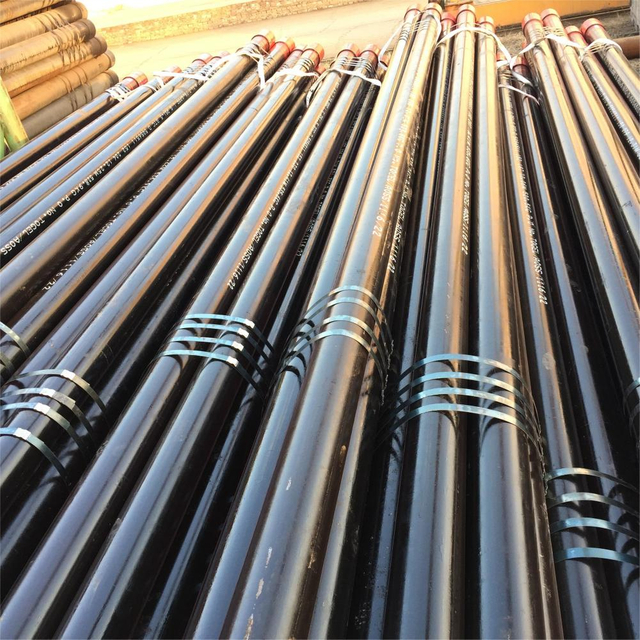
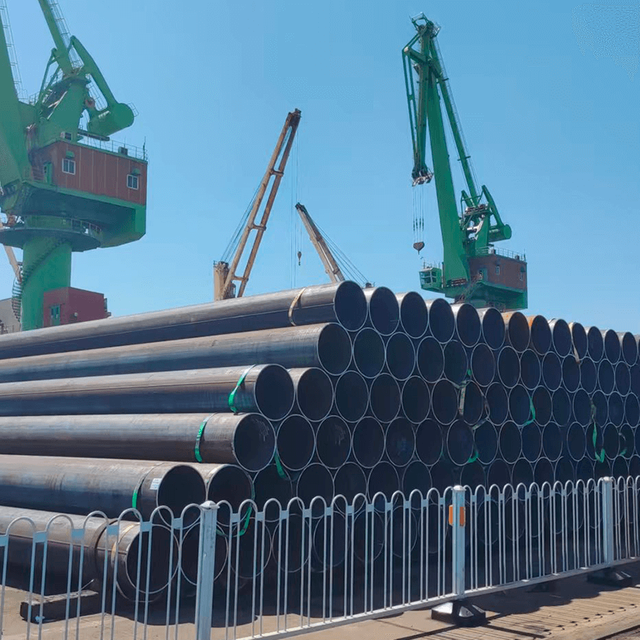
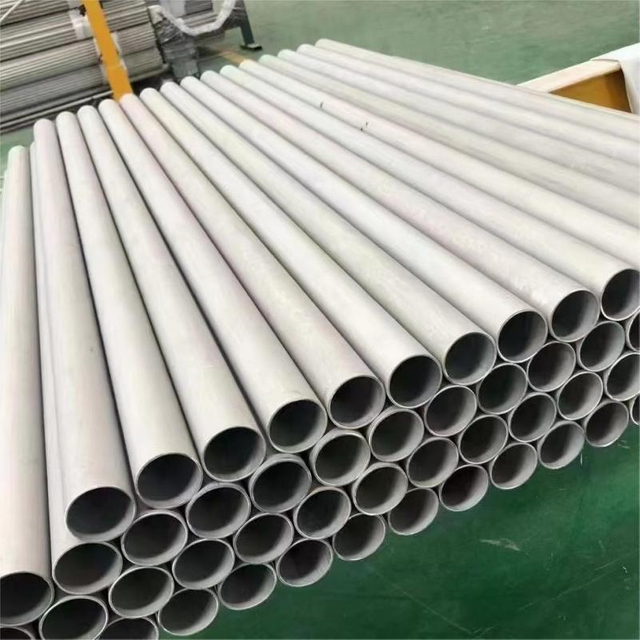
We provide a comprehensive range of high-quality oil pipeline products, including API 5L line pipes, seamless and welded steel pipes, fittings, flanges, valves, and anti-corrosion coated pipes. Every product undergoes strict quality assurance, including NDT and hydrostatic testing, and is backed by complete Mill Test Certificates (MTC) for full traceability. We also offer custom manufacturing solutions tailored to specific project requirements. To ensure timely delivery, we provide reliable global shipping and export services via sea, air, and rail, complete with all necessary customs documentation and real-time tracking. Whether you need standard materials or customized solutions for large-scale energy projects, our experienced team delivers high-quality products, competitive pricing, and dependable logistics. Partner with us for safe, efficient, and compliant pipeline supply worldwide.
Conclusion
Quality control is essential for safe, reliable, and compliant oil pipeline projects. Adhering to international standards like API, ASME, and ISO ensures structural integrity and minimizes operational risks. Partnering with a reliable supplier is equally critical to guarantee consistent product quality and efficient logistics. We provide a comprehensive range of high-quality pipeline products, including API 5L line pipes, fittings, and anti-corrosion-coated pipes, all backed by strict inspections, complete Mill Test Certificates (MTC), and global shipping services. Whether you need standard materials or customized solutions, our expert team is dedicated to supporting your sourcing needs. Invest in quality-focused products and dependable supply chain support to build safe, efficient, and long-lasting pipeline systems for your next energy project.
FAQ:
(1) Why is quality control important for oil pipelines?
Discuss how quality control helps prevent leaks, corrosion, equipment failure, environmental damage, and costly downtime while ensuring regulatory compliance and operational safety.
(2) What tests are commonly performed on oil pipelines?
Cover hydrostatic testing, ultrasonic testing (UT), radiographic testing (RT), magnetic particle testing (MT), dye penetrant testing (PT), coating inspections, and corrosion monitoring.
(3) Which standards apply to oil pipeline quality control?
Explain the roles of API, ASME, ASTM, and ISO standards in material selection, manufacturing, inspection, and quality management.
(4) How often should oil pipelines be inspected?
Describe recommended inspection intervals based on pipeline age, operating conditions, regulatory requirements, and risk assessments, emphasizing routine monitoring and periodic integrity testing.