Tel: +86-0731-88672086 E-mail: info@great-pipe.com
- All
- Product Name
- Product Keyword
- Product Model
- Product Summary
- Product Description
- Multi Field Search

Views: 5 Author: Site Editor Publish Time: 2026-05-12 Origin: Site
Introduction to ASTM A106 Steel Pipes
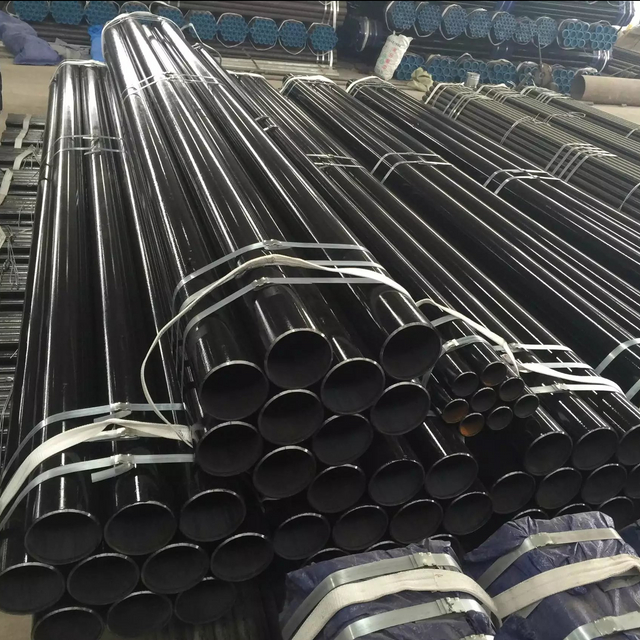
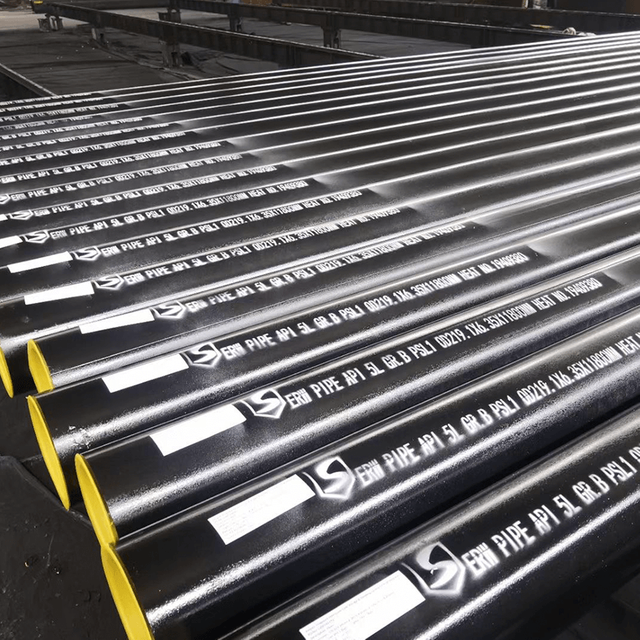
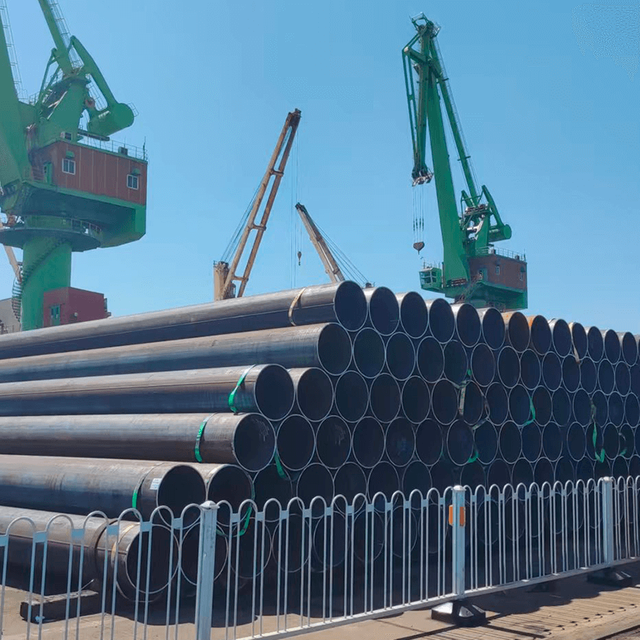
ASTM A106 is a premier standard for seamless carbon steel pipes, specifically engineered for high-temperature and high-pressure industrial applications. Renowned for its superior structural integrity and durability, ASTM A106 pipe is a cornerstone material in oil and gas pipelines, power generation plants, petrochemical refineries, and complex processing facilities.
Unlike welded alternatives, the seamless manufacturing process ensures a uniform structure without weak joints, providing exceptional pressure-bearing capability and resistance to leakage. The standard includes three grades—A, B, and C—with ASTM A106 Grade B being the most widely utilized due to its optimal balance of tensile strength, weldability, and cost-efficiency.
Key Advantages & Applications:
High-Performance: Maintains excellent structural stability under extreme heat and pressure.
Fabrication Friendly: Offers superior weldability and can be easily cut, bent, and flanged for complex installations.
Versatile Use: Ideal for transporting steam, oil, gas, and water in boilers, heat exchangers, and transmission systems.
Compliance with ASTM A106 specifications guarantees consistent mechanical performance and dimensional accuracy, making it an essential, reliable choice for critical energy infrastructure and industrial piping projects worldwide.
ASTM A106 Steel Pipe Grades & Mechanical Properties
ASTM A106 seamless carbon steel pipes are categorized into three primary grades to meet diverse high-temperature and high-pressure industrial requirements. The following tables provide a concise breakdown of their grades, mechanical properties, and chemical composition.
l Grade Overview & Applications
Grade | Key Characteristics | Typical Applications |
ASTM A106 Grade A | Moderate strength; excellent weldability and fabrication performance. | Low to medium-pressure piping, general industrial fabrication. |
ASTM A106 Grade B | Balanced tensile/yield strength; highly cost-effective and widely available. | Oil & gas, power generation, steam systems, petrochemical processing. |
ASTM A106 Grade C | Highest tensile strength and pressure resistance due to higher carbon content. | High-pressure/temperature systems, heavy industrial facilities, power plants. |
l Mechanical Properties Comparison
Grade | Minimum Tensile Strength | Minimum Yield Strength |
Grade A | 330 MPa | 205 MPa |
Grade B | 415 MPa | 240 MPa |
Grade C | 485 MPa | 275 MPa |
l Chemical Composition (Weight %)
Grade | Carbon (C) | Manganese (Mn) | Phosphorus (P) | Sulfur (S) | Silicon (Si) |
Grade A | ≤ 0.25% | 0.27 - 0.93% | ≤ 0.035% | ≤ 0.035% | ≥ 0.10% |
Grade B | ≤ 0.30% | 0.29 - 1.06% | ≤ 0.035% | ≤ 0.035% | ≥ 0.10% |
Grade C | ≤ 0.35% | 0.29 - 1.06% | ≤ 0.035% | ≤ 0.035% | ≥ 0.10% |
Applications of ASTM A106 Steel Pipes
ASTM A106 seamless carbon steel pipes are a cornerstone of modern industrial engineering, renowned for their exceptional strength, high-temperature resistance, and reliable pressure-bearing performance. Designed for demanding operating conditions, they are the preferred choice for critical fluid transportation systems across various heavy industries.
Oil and Gas Industry
In the energy sector, ASTM A106 pipes are essential for transporting crude oil, natural gas, and petroleum products under high pressure. Their seamless structure eliminates welded joints, significantly reducing leakage risks and ensuring structural stability in oil transmission pipelines, natural gas systems, and offshore drilling platforms.
Power Generation and Boiler Systems
Power plants rely on ASTM A106 pipes for steam pipelines, boiler tubes, and heat exchanger systems. The material’s excellent heat resistance allows it to maintain integrity and stable performance under continuous thermal stress and extreme operating temperatures.
Petrochemical and Refining
Petrochemical plants and refineries utilize these pipes for chemical processing and fluid transportation networks. Their robust mechanical properties and good machinability make them highly suitable for handling corrosive fluids and withstanding pressure fluctuations in complex refinery environments.
General Industrial Pressure Piping
Beyond energy sectors, ASTM A106 pipes are widely used in manufacturing, shipbuilding, and mechanical engineering for transporting water, steam, and industrial gases. Their superior weldability simplifies installation and maintenance, ensuring long-term operational reliability and safety in high-pressure industrial systems.
Factors to Consider When Selecting ASTM A106 Steel Pipes
Selecting the correct ASTM A106 steel pipe is critical for ensuring safe operation, reliable pressure performance, and long-term durability in industrial piping systems. To help engineers and buyers make informed decisions for high-temperature and high-pressure applications, the key selection factors are broken down below.
Choose the Correct ASTM A106 Grade
The first step is selecting the appropriate grade based on mechanical strength and application needs. ASTM A106 offers three primary grades:
Grade | Key Characteristics | Typical Applications |
Grade A | Moderate strength; excellent weldability and fabrication. | Moderate-pressure applications, general industrial use. |
Grade B | Balanced strength, cost-efficiency, and reliability. | Most common grade for oil & gas, power plants, and refineries. |
Grade C | Highest tensile and yield strength for extreme conditions. | Demanding high-pressure and high-temperature operating systems. |
Evaluate Temperature and Pressure Requirements
ASTM A106 pipes are designed for elevated temperatures and high pressure. Before selection, engineers must assess the maximum operating temperature and internal pressure. Higher stress levels typically require stronger pipe grades (like Grade C) and specific wall thicknesses to maintain structural stability and prevent system failure.
Consider Pipe Diameter and Wall Thickness
Pipe dimensions directly impact flow capacity and pressure resistance. Thicker walls provide better pressure-bearing capability and durability under heavy conditions. Properly matching the outside diameter and wall thickness to project specifications helps balance system efficiency, safety, and material costs.
Corrosion Resistance and Operating Environment
Industrial piping systems are often exposed to moisture, chemicals, and steam. Evaluating the operating environment is essential. Applying protective coatings, painting systems, or anti-corrosion treatments can significantly extend the pipe's service life and reduce maintenance in harsh outdoor or chemical environments.
Manufacturing Quality and Seamless Pipe Integrity
Because these pipes are used in critical pressure systems, manufacturing quality is paramount. The seamless production process improves structural consistency and reduces leakage risks compared to welded alternatives. Buyers should ensure pipes comply with ASTM standards and undergo rigorous inspections, including:
Hydrostatic testing
Non-destructive testing
Dimensional inspection
Mechanical property verification
Supplier Reliability and Technical Support
Choosing a dependable supplier ensures consistent product quality, complete certification, and stable delivery schedules. For large-scale industrial projects, partnering with suppliers who have strong production capabilities and export experience can greatly improve procurement efficiency and reduce supply chain risks.
Conclusion: Why ASTM A106 Steel Pipes Are Widely Used
ASTM A106 seamless carbon steel pipes are widely adopted in industrial piping, featuring superior strength, pressure resistance, and stable high-temperature performance.
Commonly used in oil & gas, power plants, petrochemical, and refinery projects, they safely convey steam, oil, and gas under extremely high-pressure and high-temperature conditions.
The seamless structure avoids weld joints, lowering leakage risk and ensuring structural stability. Available in Grades A, B, and C, Grade B balances strength, weldability, and cost best, while Grade C suits more demanding working conditions.
Easy cutting, bending, and welding boost construction flexibility. Standardized ASTM specifications guarantee stable quality and dimensional accuracy. With long service life and cost efficiency, ASTM A106 pipes are the top choice for global high-temperature and high-pressure industrial piping systems.
Product Recommendation: ASTM A106 Steel Pipes from Orich Metal Technology Co., Ltd.
Selecting high-quality ASTM A106 steel pipes is essential for ensuring safe operation, reliable pressure resistance, and long-term durability in industrial piping systems. Orich Metal Technology Co., Ltd. is a premier professional supplier specializing in high-performance seamless carbon steel pipes for global energy and engineering markets.
Orich Metal Technology Co., Ltd. offers a comprehensive range of ASTM A106 seamless pipes, including Grade A, Grade B, and Grade C. These products are expertly designed for demanding applications such as oil and gas pipelines, power plants, petrochemical systems, boiler tubes, and heat exchangers.
Key Advantages of Our ASTM A106 Steel Pipes:
Excellent High-Temperature Performance: Maintains stable mechanical integrity under extreme heat conditions.
Strong Pressure Resistance: Superior seamless manufacturing ensures exceptional pressure-bearing capability and leak prevention.
Reliable Mechanical Properties: Offers outstanding tensile strength, yield strength, and long-term durability.
Good Weldability: Supports efficient cutting, welding, and fabrication during complex industrial installations.
With strict quality control, reliable bulk supply capabilities, and professional export services, Orich Metal Technology Co., Ltd. is your trusted partner for dependable ASTM A106 steel pipe solutions worldwide.